A single house on lower Broad Street and its neighbor forty feet away can sit in the same FEMA flood zone and pay flood insurance premiums that differ by thousands of dollars a year. The zone on the disclosure form tells you almost nothing about which one you'll be. Since FEMA's Risk Rating 2.0 system took over individual property pricing, the number on your policy comes from your house specifically, not the label on the map.
That distinction matters more inside the Crosstown than almost anywhere else in the Lowcountry, because this stretch of the peninsula, covering South of Broad, Harleston Village, Ansonborough, the French Quarter, Radcliffeborough, and Cannonborough-Elliotborough, sits on ground that rises and falls block by block on its way toward either river. Buyers who treat the zone letter as the price are usually wrong in one direction or the other, and sellers who never bothered to document their elevation are leaving a real number on the table.
The Zone Letter Sets the Zone, Not the Bill
FEMA's flood zones tell you which regulatory bucket a property falls into. They do not set the premium. Under the current pricing system, that number depends on elevation, foundation type, and distance to water, measured for the specific structure rather than assumed for the whole zone.
Here is roughly what that looks like across the Crosstown as of 2026:
| FEMA Zone | Typical Annual Premium | Where It Shows Up Inside the Crosstown |
|---|---|---|
| Zone AE | $1,500 to $5,000 or more | Most of South of Broad, the French Quarter, and low-lying pockets of Harleston Village |
| Zone X, transitional | $800 to $1,500 | Blocks near Radcliffeborough and upper Cannonborough-Elliotborough |
| Zone X, higher ground | $400 to $800 | Along King Street's high spine and parts of upper Ansonborough |
The range inside Zone AE alone spans more than $3,500. That spread is not noise. It is the difference between a raised single house with a documented foundation height and an unelevated ground-floor structure two doors down, both sitting in the same regulatory zone.
What Actually Moves the Number Once You're in a Zone
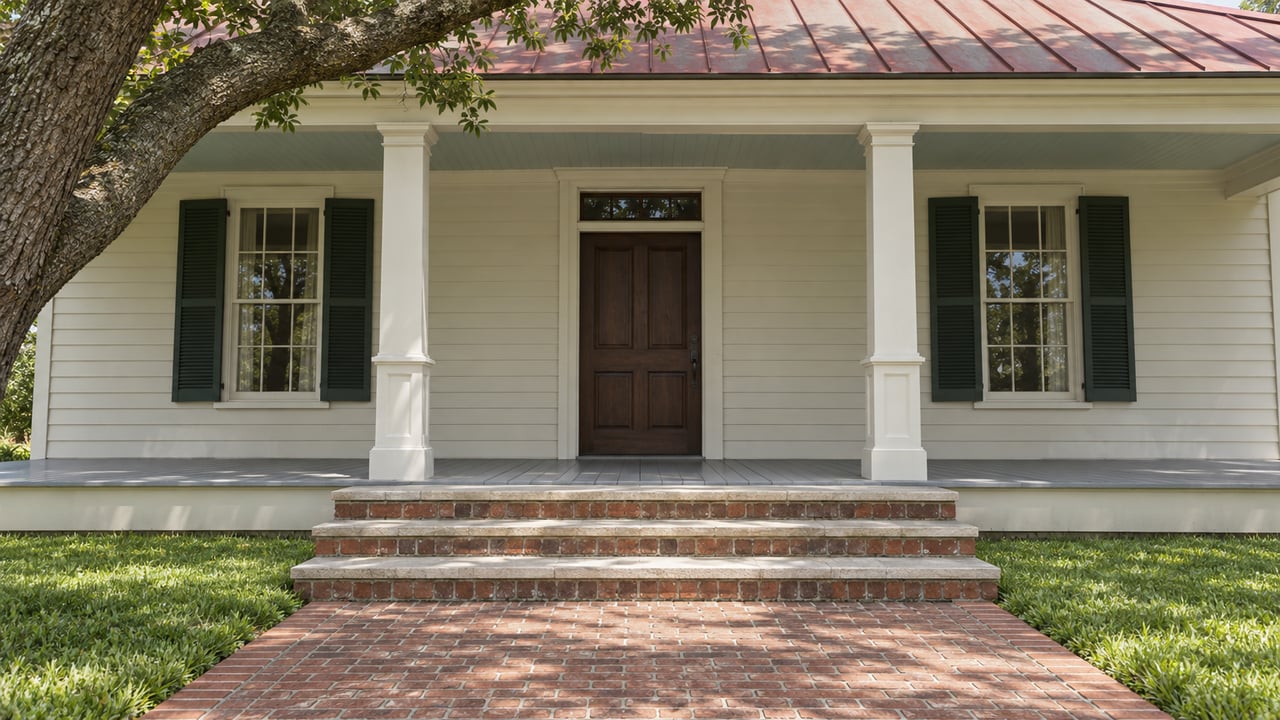
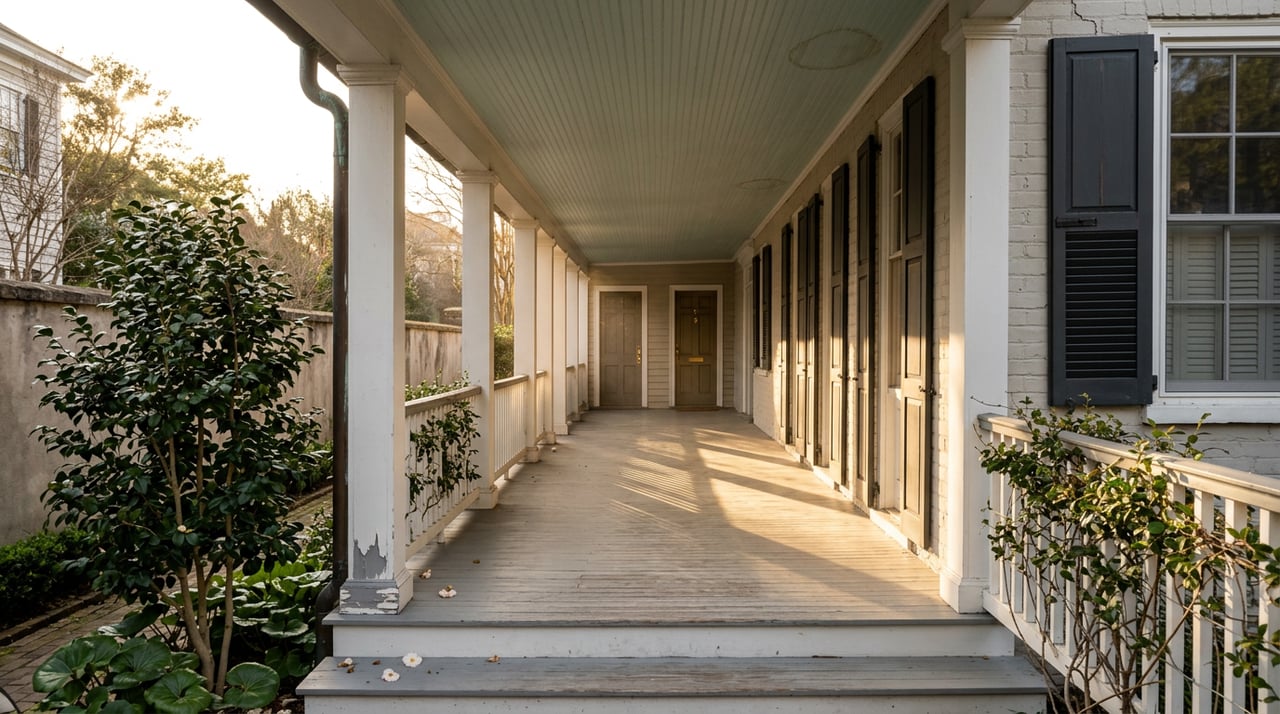
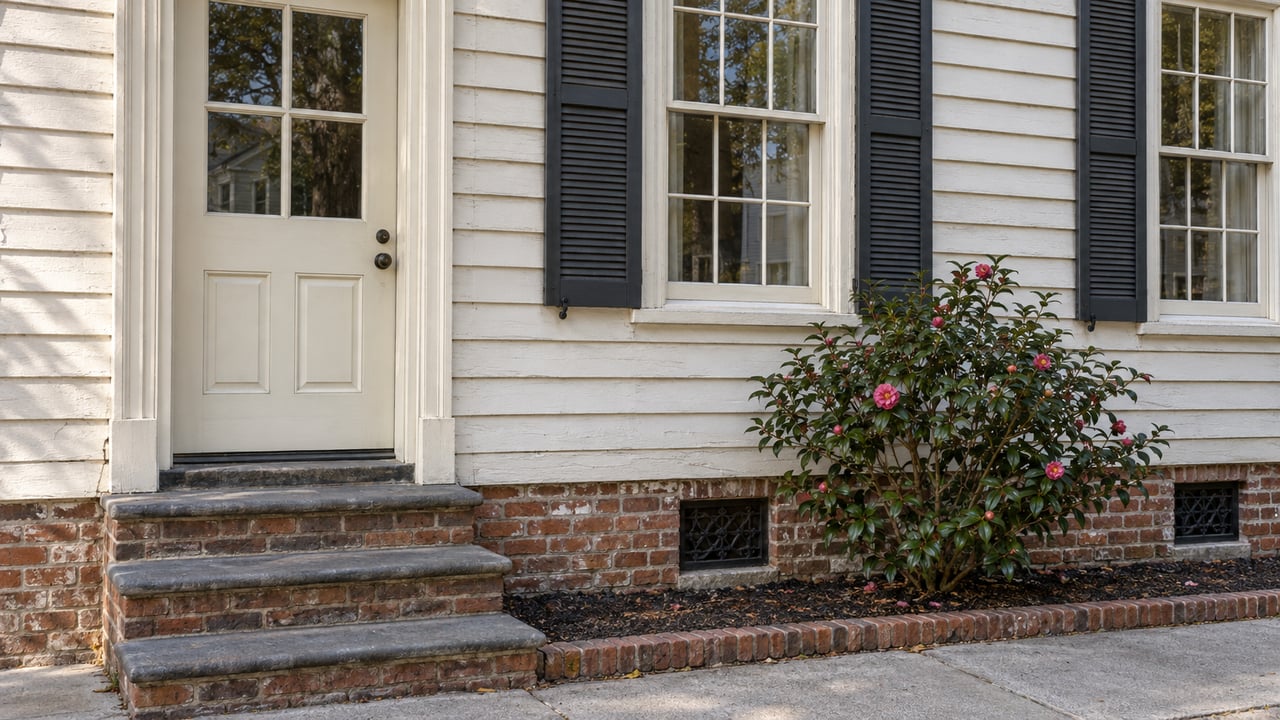
An Elevation Certificate documents how high a home's lowest floor sits relative to the base flood elevation. A licensed surveyor or engineer completes it, and the City of Charleston keeps a record of certificates already on file for properties within its jurisdiction. Many Charleston single houses were built raised on piers or over an English basement long before anyone thought to measure that height for insurance purposes, and the certificate simply never got pulled.
That gap cuts both ways. A buyer looking at a raised single house should ask whether an elevation certificate exists before assuming the AE-zone premium at the top of the range. A seller marketing one should have it in hand, because a documented elevation is a number an insurance quote can act on immediately rather than a feature a listing photo has to imply.
Two other mechanics are worth knowing before a quote arrives. Risk Rating 2.0 caps how fast a below-market premium can climb toward its full-risk rate at 18 percent per year, so an older, favorably priced policy does not reset to today's number overnight. And the City of Charleston's Community Rating System score currently sits at 6, which trims up to 20 percent off NFIP premiums for every policyholder in the city, on top of whatever the property-specific rating produces.
The Assumable Policy Almost Nobody Asks For
An NFIP flood policy can be assumed by a buyer at closing. If the seller has held the policy for years at a rate set before Risk Rating 2.0 fully phased in, that grandfathered pricing can transfer with the house instead of resetting to a fresh, full-risk quote. Because it depends on the specific policy and carrier, it is best raised early, before an offer is drafted.
Before writing an offer on a home inside the Crosstown, it is worth asking the seller's side for:
- A copy of the current flood insurance declarations page, including the effective date and premium
- Confirmation of whether an Elevation Certificate exists for the property, and if so, a copy
- Whether the policy is assumable and what the transfer process looks like with the current carrier
If the seller's policy predates the property's most recent full-risk repricing, assuming it can be worth real money over the first several years of ownership, particularly given that 18 percent annual cap on how fast it can climb.
The Renovation Clock Runs Twice
Buyers planning work on a historic single house inside the Crosstown are working against two schedules at once, and they are not the same schedule.
Any exterior change visible from the street inside a local historic district needs a Certificate of Appropriateness from the Board of Architectural Review. Staff can approve minor, in-kind work like porch repairs or matching-material roof replacement in days to a few weeks. Anything larger, a second-story addition, new construction, or removing a contributing structure, needs a full BAR hearing, and the boards meet only twice a month. Realistic planning for a straightforward case runs 6 to 12 weeks from initial submission to final Certificate of Appropriateness. Complex proposals run longer.
The second clock is the substantial improvement rule. If a renovation budget crosses 50 percent of the structure's value, the entire home has to meet current flood elevation standards, not just the portion being renovated. That means a house built in 1830 can trigger a modern flood-elevation requirement, currently 1 foot above base flood elevation for substantial improvements, if the scope of work is large enough. For a fixer priced to reflect its condition, that 50 percent threshold can arrive faster than a buyer expects once demolition uncovers real structural work.
One more paperwork detail worth flagging: the FEMA Elevation Certificate form the city has required since July 2023 was set to expire this past June. Anyone pulling a fresh certificate now should confirm with their surveyor that they are using FEMA's current version before it goes to a lender or an insurer.
Coverage Caps Change the Math at This Price Point
An NFIP flood policy caps building coverage at $250,000. For a modest bungalow, that ceiling might cover a full rebuild. For a multi-million-dollar single house on Meeting Street or a double piazza home in Ansonborough, it covers a fraction of what reconstruction would actually cost. At this price tier, private excess flood coverage layered on top of the NFIP policy is not an upgrade, it is standard practice, and it is worth pricing before closing rather than after a claim.
Frequently Asked Questions
If my house is in Zone X, do I still need flood insurance? Zone X is not federally designated as a Special Flood Hazard Area, so a federally backed mortgage typically will not require it. Many owners on higher ground inside the Crosstown carry a private policy anyway, since premiums there run low and a single flood event can cost far more than years of coverage.
Can I really take over the seller's flood insurance policy? Yes. NFIP policies are assumable by a buyer at closing, which can preserve a grandfathered rate instead of starting at today's full-risk price. Ask for the declarations page early in the process so your agent and lender can confirm the transfer details before you're at the closing table.
If I want to renovate right after closing, how much time should I budget for approvals? Plan conservatively. Minor, in-kind work can clear staff review in days to a few weeks. Anything requiring a full Board of Architectural Review hearing, including additions or new construction, should be budgeted at 6 to 12 weeks from submission to final approval, with the board meeting only twice a month and more complex projects running longer still.
If you're circling a listing inside the Crosstown and want someone to pull the elevation certificate, check whether the flood policy is actually assumable, and read the fine print before you write an offer, that's the kind of groundwork Middleton Rutledge does before a client ever sees a contract. Let's Connect.