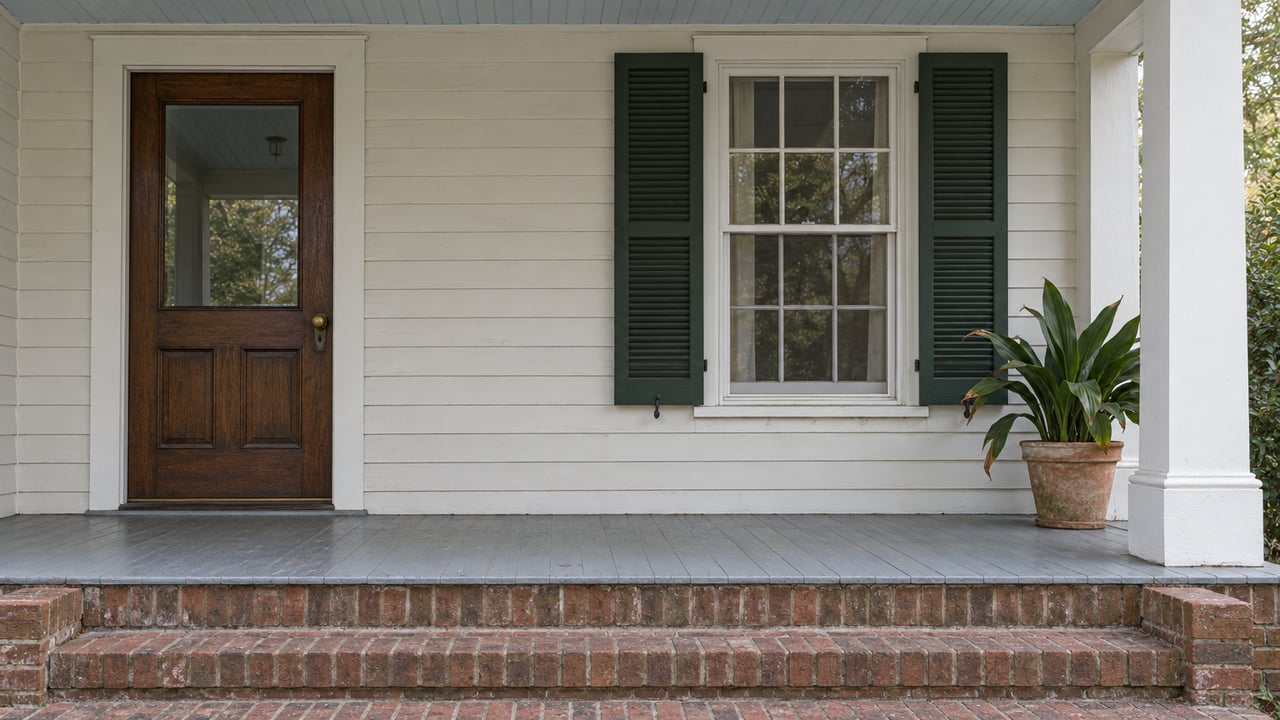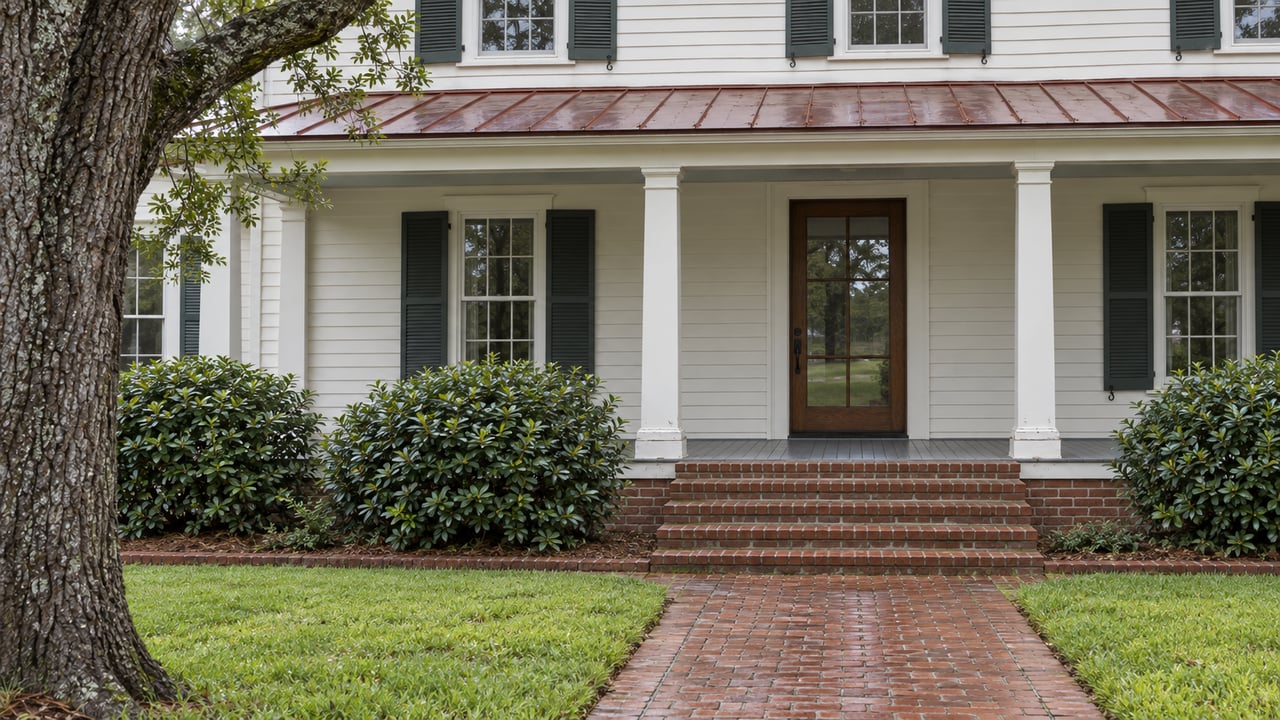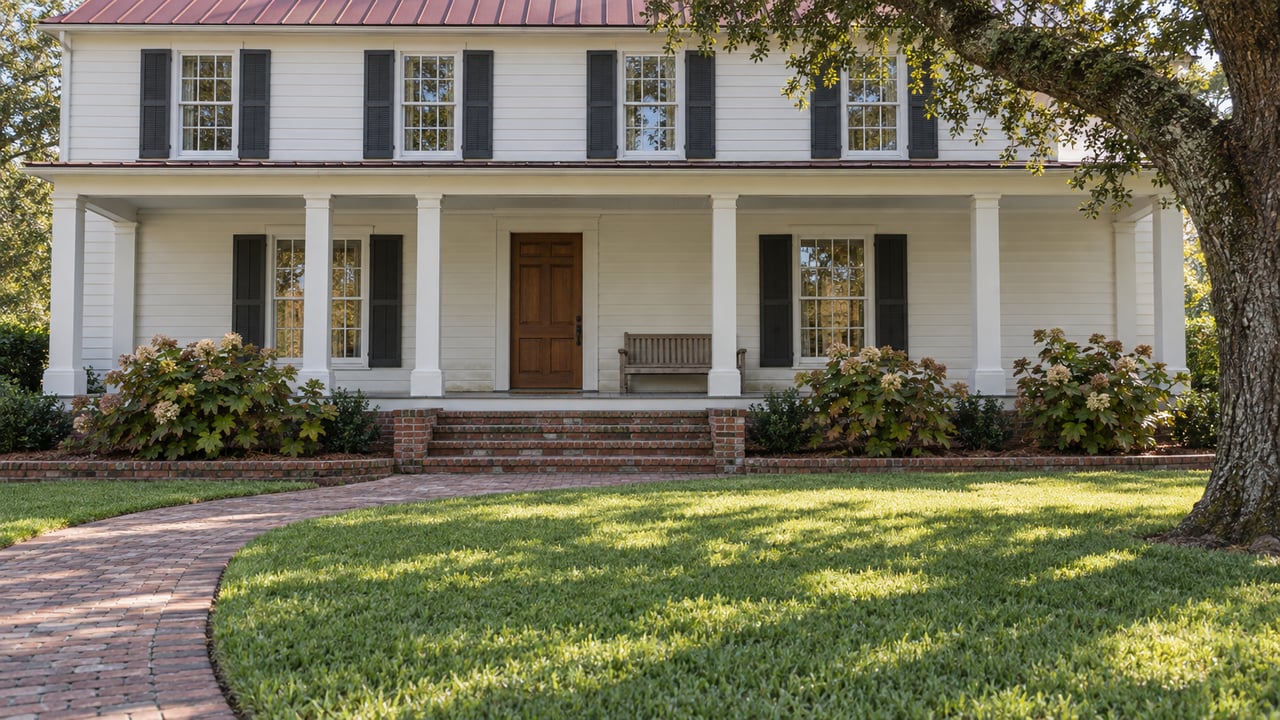
Acme Lowcountry Kitchen sits at 31 J.C. Long Boulevard, on a parcel that runs through to Carolina Boulevard. The restaurant building started out as a house. Its owner, Bobby Simons, told WCBD that it now has two bathrooms, a kitchen that is "way too small," and maintenance costs that keep climbing.
On October 27, Isle of Palms City Council took up his request to build a larger restaurant behind the old one. Most of the coverage described the result as a single restaurant's setback request falling short. The ordinance on the agenda reached further. Ordinance 2026-10 is a text amendment to the whole GC-3 zoning district. It cuts required parking for every restaurant in the district by 25 percent, sets a separate building line for each street that borders the district, and bars new residential development inside it.
Three street lines where there used to be one
Going into the amendment, GC-3 required a 25-foot front yard setback. The first version Council passed on September 22 dropped that to zero. The revised version that came back for second reading treats each street differently.
| Boundary | Prior rule | First reading, Sept. 22 | Revised version, Oct. 27 agenda |
|---|---|---|---|
| J.C. Long Boulevard | 25-foot front setback | 0 feet | 0 feet |
| Carolina Boulevard | 25-foot front setback | 0 feet | 15 feet |
| Pavilion Boulevard | 25-foot front setback | 0 feet | 10 feet, treated as a side yard |
| Restaurant parking | Full requirement | 25% reduction | 25% reduction |
| New single-family dwellings | Allowed | Unchanged | Prohibited |
According to the Planning Commission's memo, the zero-foot line stays on J.C. Long because commercial buildings along that street already sit at the property line. The 15 feet on Carolina Boulevard is meant to "align closer to the existing development and provide a transition to the adjoining residential district." In practice, the J.C. Long frontage keeps the look of a commercial street, while the Carolina Boulevard side stays set back to match the homes next to it.
The 15 feet that matter most to Acme
Simons planned his new restaurant for the Carolina Boulevard side of the parcel. That is the one boundary where the revised rule adds a setback.
His plan, as WCBD reported before the vote, put the new building on the Beachouse Spa site at the back of the property. The current restaurant would keep serving during construction, and roughly 20 parking spaces would be added for a total of 56. To make that layout work, he asked for a zero-foot setback and a 40 percent parking reduction.
WCBD reported that Council chose a 15-foot building setback and a 25 percent parking reduction instead. Simons explained the problem to the station: a building that sits farther from the property line leaves less ground for parking. So the two changes work against each other on his lot. The parking cut lowers the number of spaces he needs, and the Carolina setback shrinks the area where those spaces could go.
Rebuilding on the current footprint is an option, but Simons told WCBD it could close Acme for more than a year. He pointed to staff who have been with him since he bought the place 18 years ago, and a chef and sous chef who have been there for a decade.
On the other side, Councilmember David Cohen raised concerns about traffic. "The concern being if there was not enough parking, that again, traffic will start backing up into the street," he told WCBD. He added that the city has to weigh what a zoning change does to the district as a whole, beyond any one business.
How one request became a rule for the district
The ordinance became a district-wide rule over four months of meetings:
- June 24. Simons presented the plan to Council, which included more seating and 15 to 17 more parking spaces. Moultrie News reported then that GC-3's parking requirements could hold the project back.
- August 12. The Planning Commission considered rezoning and chose to amend the district's text instead. City Administrator Kerr said it would be easier "to adjust the text of the zoning ordinance to make that change than to actually change the zoning." The motion to keep GC-3 in place, cut front setbacks from 25 feet to zero and reduce restaurant parking by 25 percent passed 4-2, with Stone, Ahmuty, Denton and Rubin in favor and Laughlin and Nagelski opposed.
- September 22. Council approved first reading unanimously. It then sent the ordinance back to the Planning Commission to check whether the changes would substantially increase development potential and leave an uneven street line.
- October 14. The commission returned street-by-street setbacks and the new limit on residential development.
- October 27. The ordinance was on the agenda for a public hearing and second reading.
The choice made in August set up everything after it. A rezoning would have applied to Acme's parcel alone. A text amendment applies to every property in GC-3, so each later revision had to be judged by its effect on the whole block. Council's request in September makes that clear: the questions were about development potential and the street line, and neither was specific to one restaurant.
What the new rule rules out
At the September 22 meeting, according to minutes in the October 27 Council packet, Administrator Kerr named the commercial buildings in GC-3 as Acme, the East Islands office building and Sea Biscuit Café. He said the Dinghy, across the street, is in a different zoning district. That makes the 25 percent parking reduction a rule for very few restaurants, and Sea Biscuit is the only other one he named.
Sea Biscuit Café's owner, Brenda Smith, spoke at the October 27 meeting. "I'm asking city council to please pause and consider the impact this would have on other property owners in the area," she said, according to ABC News 4. Councilman John Bogosian made a similar point from the dais: "We can change one thing and impact another owner in that same zone."
The residential prohibition is the change with the longest reach. The Planning Commission's memo explains that the city created GC-3 in 2004 for this one block, allowing both single-family and commercial development, because a major residential redevelopment was underway there at the time. The commission now considers that redevelopment established and wants the block to remain part of the island's commercial core. Under the revised text, existing residences become legal nonconforming uses that can continue and be maintained within limits. The commission added the change in October after Council asked whether looser setbacks would open the district to more development. With this provision, GC-3 can gain commercial space under the new setbacks but cannot gain homes. This is a general summary of a public ordinance and should not be taken as legal advice. Anyone who owns property in or near GC-3 should have the final text reviewed by a land-use attorney.
On October 27, Council voted down the setback change Simons asked for, as ABC News 4 reported. WCBD reported that Council went with the 15-foot setback and the 25 percent parking reduction, and that it remained unclear whether more procedural approvals were needed.
Six decades on one corner
The lot has housed a restaurant for a long time. According to Isle of Palms Magazine, it was once home to Huck's restaurant and the Buccaneer Cottages. The Swain family bought the property in 1966 and later ran Acme Cantina, and the current owners, Bobby Simons, Rodger Tully and Charles Arena, took it over from them. The Post and Courier dates the Cantina to the 1990s and says the new owners changed the name and the menu in 2008. Councilman Rusty Streetman spoke for the restaurant at the October meeting: "The ACME team, lead by bobby and rodger and that team. They have done so much for the community over the years."
The permanent rule does not cover the period of any rebuild. At the August Planning Commission meeting, Administrator Kerr said the parking reduction "will not help the restaurant during construction." He said the city would work with the owners on a separate agreement for the nearby municipal lot. ABC News 4 reported that permits and early drawings had already cost tens of thousands of dollars. Asked what comes next, Simons said, "I don't know. We'll see what we can do."
Zoning text like Ordinance 2026-10 sets what can be built on a commercial block next to the beach long after the current owners. If you own property near a district under review and want to talk through what a change like this could mean for it, Middleton Rutledge is glad to have that conversation in confidence. Let's connect.