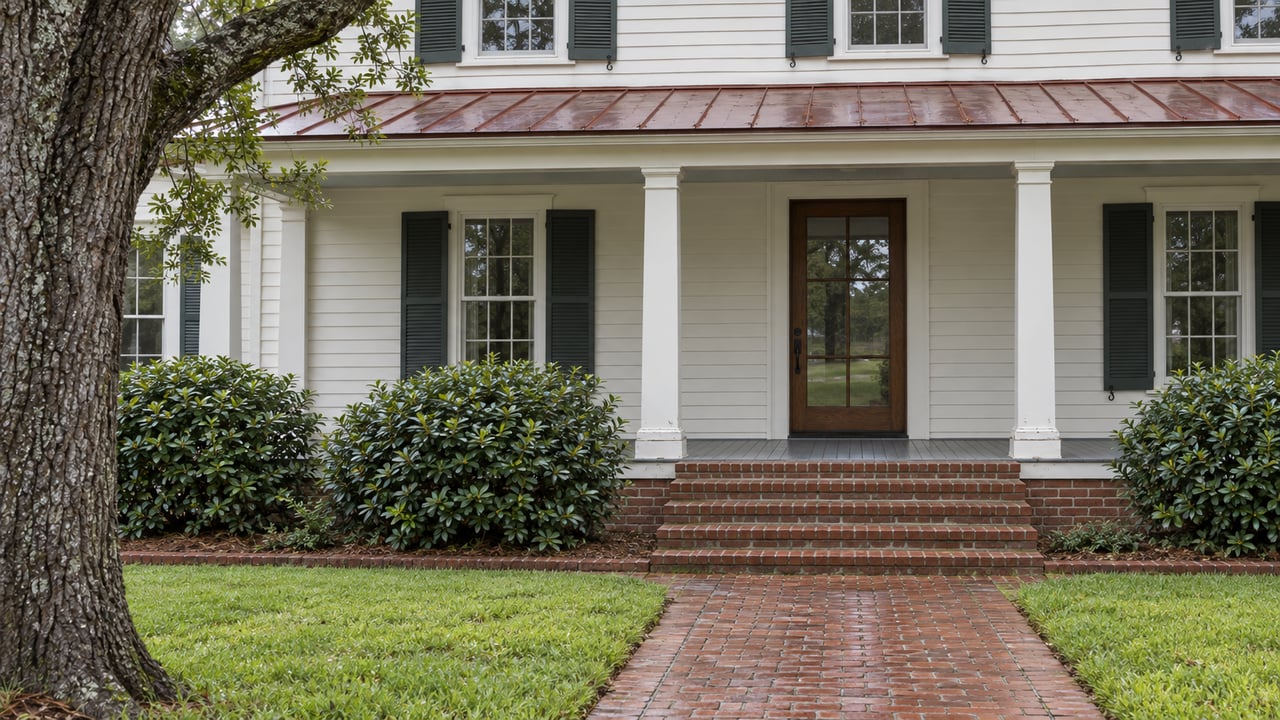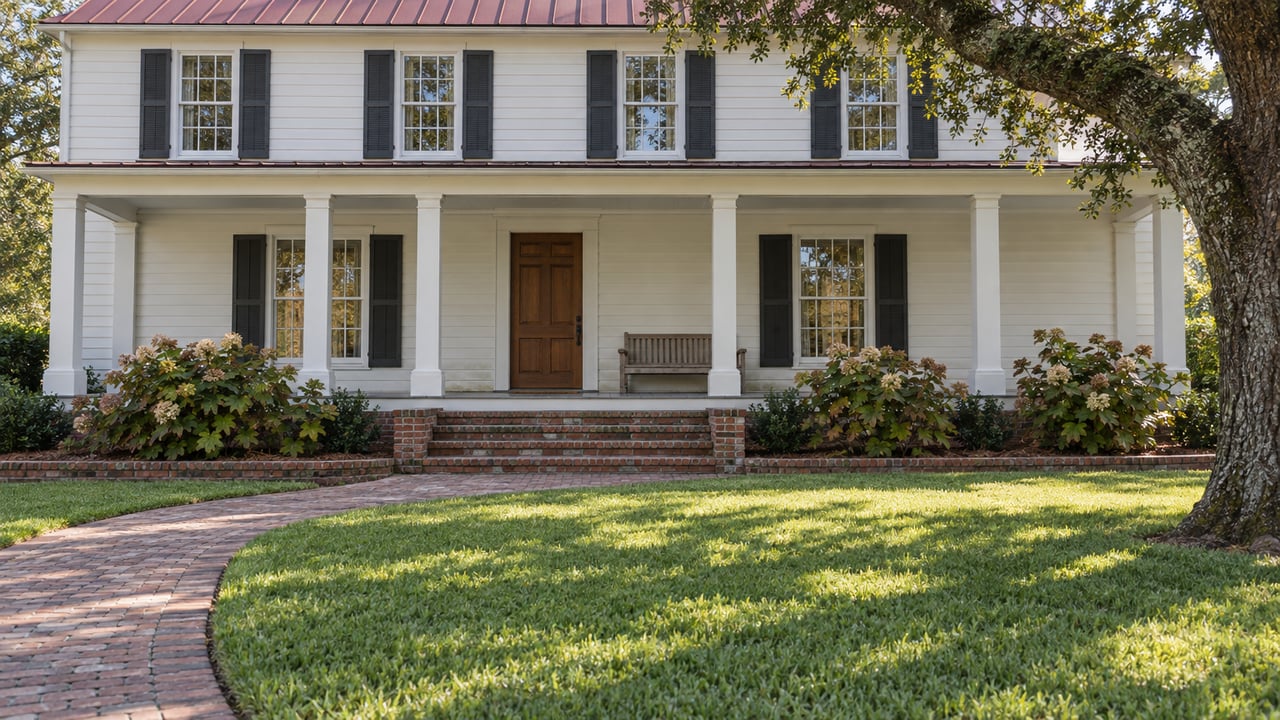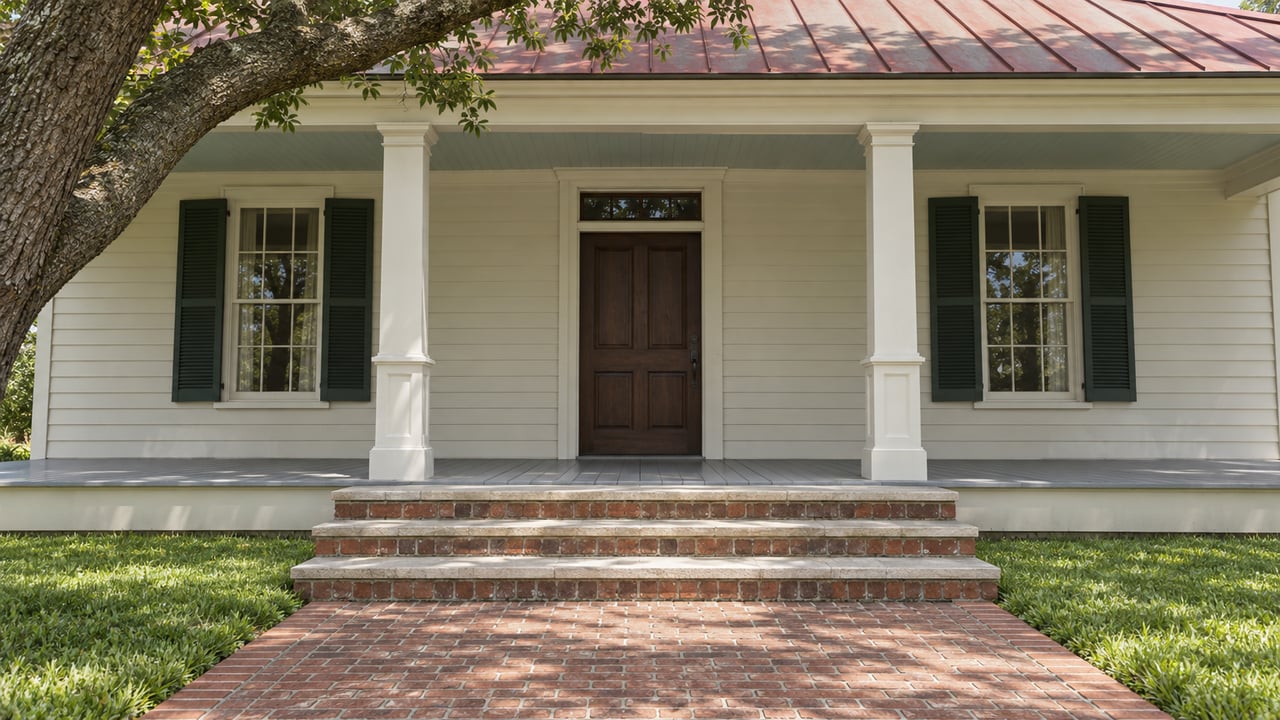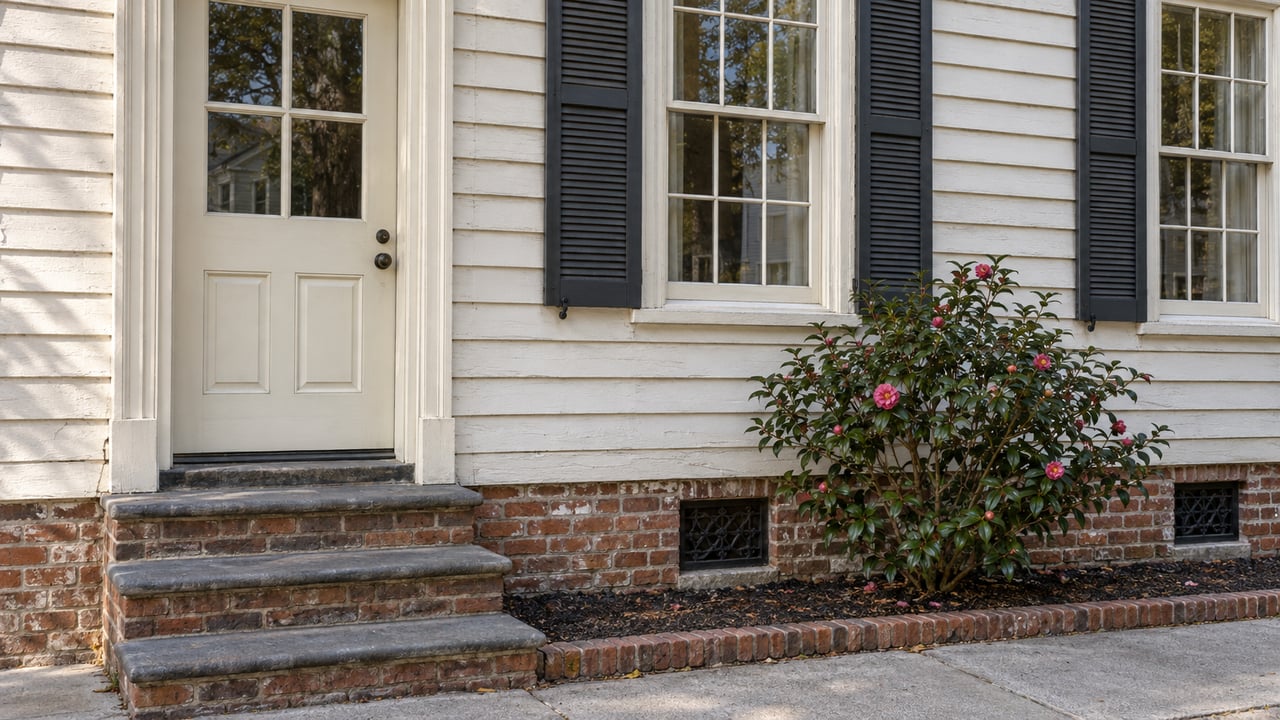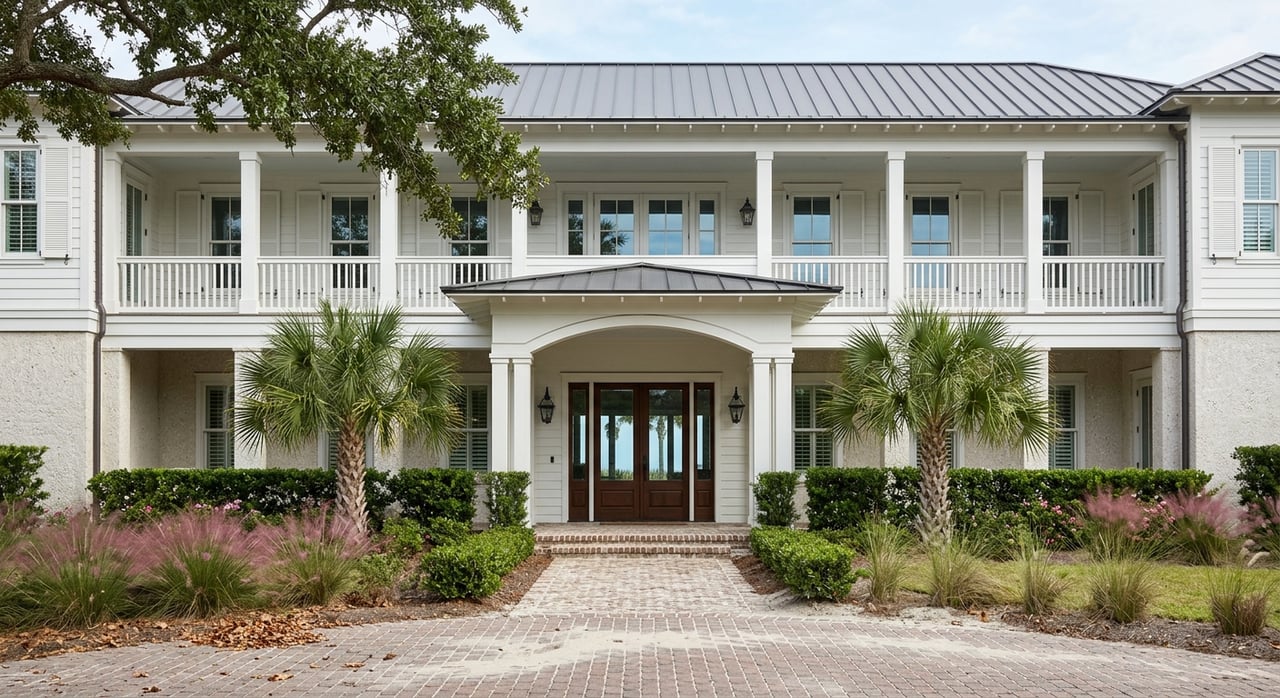
If you are considering a second home on Isle of Palms, the biggest question may not be whether to buy, but what to buy. In a market where Realtor.com reported a median listing price of $2.5 million in May 2026 for the 29451 ZIP code, your choice between a condo and a beach house can shape everything from your monthly costs to how much time you spend managing the property. This guide will help you compare the two with Isle of Palms rules, coastal ownership realities, and second-home goals in mind. Let’s dive in.
Start With the Ownership Experience
A condo and a beach house can both give you a place on the coast, but the day-to-day ownership experience is often very different. On Isle of Palms, that difference matters even more because coastal maintenance, rental rules, and carrying costs can quickly affect how enjoyable your second home feels.
For many buyers, the decision comes down to a simple tradeoff. Condos often offer more convenience and shared upkeep, while beach houses often offer more privacy and control.
Why Condos Feel Simpler
Under South Carolina’s Horizontal Property Act, condo ownership includes your individual unit plus a shared interest in the property’s common elements. Those common elements can include the land, roofs, halls, lobbies, stairways, parking, and shared service systems, and co-owners contribute their share of administration, maintenance, and repair costs.
That structure is one reason many second-home buyers see condos as a more turnkey option. If you want a property that is easier to lock, leave, and return to, a condo may feel more manageable, especially if you live out of market for much of the year.
Why Beach Houses Offer More Control
A detached beach house usually gives you more privacy and fewer shared-space concerns. You may also have more flexibility in how you use outdoor areas and how the property functions day to day.
The tradeoff is responsibility. Coastal homes face ongoing exposure to flooding, erosion, salt air, and corrosion, and NOAA notes that these environments often require ongoing maintenance and, in higher-salt settings, more frequent upkeep and corrosion-resistant materials.
Compare the True Monthly Cost
The purchase price is only part of the decision. On Isle of Palms, carrying cost can be just as important as the sales price, especially for a second home that may not be occupied full time.
The CFPB notes that a home’s total monthly payment can include mortgage principal and interest, property taxes, homeowners insurance, flood insurance, and HOA fees if applicable. Realtor.com also reported a median rent of $4,600 in May 2026 for the 29451 ZIP code, which is useful context for buyers evaluating long-term affordability and rental potential.
Condo Costs to Watch
With a condo, your monthly dues deserve close attention. HOA or condo fees are usually paid separately from your mortgage payment, so they can materially affect affordability even if they do not show up in the main loan payment.
Those dues help fund shared maintenance and common-area operations, which can reduce your direct ownership workload. Still, you will want to weigh that convenience against the added monthly expense.
Beach House Costs to Watch
With a beach house, you may avoid condo dues, but you usually take on more direct upkeep costs yourself. Exterior systems, site maintenance, storm preparation, and repairs related to salt and moisture exposure can all become part of the ownership picture.
In other words, a beach house can offer more freedom, but not always lower cost. The expense may simply show up in different places and at different times.
Know Isle of Palms Rental Rules First
If you may rent your second home at any point, city rules should be part of your decision before you buy. On Isle of Palms, both condos and houses can be affected by local licensing, occupancy, parking, and tax requirements.
The city requires a short-term rental business license for owners who rent residential units, including houses and condos. The city also states that short-term rentals are subject to occupancy calculations, a 24/7 contact requirement, and an owner’s representative who must be able to be on site within one hour.
Occupancy Limits Matter
For many second-home buyers, rental potential is tied closely to occupancy. Isle of Palms states that maximum overnight occupancy is typically two people per bedroom, plus two, up to a maximum of 12.
The city also says total occupancy at any time may not exceed twice the overnight occupancy or 40 people, whichever is less. If you are comparing a smaller condo to a larger beach house, these limits can directly affect how you evaluate each property’s fit.
Parking and Management Count Too
The city allows short-term rentals to apply for up to four portable parking permits per calendar year, at $15 each, when off-street parking is not adequate. That may not sound like a major detail at first, but guest logistics can influence the ownership experience, especially during busy seasons.
Single-family rental homes also must be offered in their entirety, which means room-by-room rentals are not allowed in single-family homes. If rental use is part of your second-home strategy, this rule should be clear from the start.
Taxes Affect Net Rental Performance
For rentals of 30 days or less, the city lists a combined 14% tax-and-fee stack. That includes state, county, and city accommodations taxes and fees.
This is important because gross rental income does not tell the full story. On Isle of Palms, your net rental performance depends on rate, occupancy, and the local tax and fee burden.
Condo Rules May Be Tighter Than City Rules
If you are leaning toward a condo, city approval is only one part of the picture. The condo association’s documents may be just as important, and in some cases more restrictive.
Buyers should review the master deed, bylaws, and association policies carefully. Because the association governs the common estate and shared expenses, it may set rules related to rentals, pets, parking, renovations, and property use that go beyond the city’s baseline rules.
Why Document Review Is Essential
A condo that appears ideal on paper may come with practical limits that affect your plans. For example, your intended rental timeline, guest usage, or renovation goals may depend on association approval or project-specific policies.
This is one of the clearest dividing lines between condos and beach houses on Isle of Palms. A condo can offer simplicity, but that simplicity comes within a governance framework you will need to understand fully.
Insurance Questions Differ by Property Type
On a barrier island, insurance should never be treated as a minor detail. Flood and wind exposure affect both condos and beach houses, but the way you evaluate coverage can differ.
FEMA and FloodSmart note that most homeowners insurance does not cover flood damage. They also note that NFIP flood coverage addresses building and contents separately, and that flood insurance can be required in high-risk coastal zones when there is a federally backed mortgage.
Condo Insurance Checklist
With a condo, one of the first questions is what the association insures and what you must insure yourself. HUD guidance shows that associations commonly carry master or blanket hazard insurance for the project, including common elements and units, and that projects should also have liability insurance for common elements and supervised areas.
That does not mean everything inside your unit is automatically covered. You will want a clear understanding of where the association’s policy ends and where your personal responsibility begins.
Beach House Insurance Checklist
With a beach house, the insurance structure is often more direct because there is no association master policy handling common elements. That can make the ownership picture feel more straightforward, but it also means you are usually carrying more of the full property risk yourself.
Flood zone, wind exposure, and premium levels should all be reviewed carefully before you commit. On a coastal property, insurance should be part of your purchase decision, not a detail left for later.
Coastal Maintenance Is a Real Lifestyle Factor
Second-home buyers often focus on views, layout, and rental potential, but maintenance can shape your experience just as much. Isle of Palms is an active coastal environment, and that environment asks more from every property over time.
The city’s 2026 beach-renourishment project reflects the reality of ongoing shoreline management and coastal resilience work. NOAA also emphasizes that coastal communities often require continued maintenance and adaptation as flooding risks and salt exposure increase.
What This Means for Condos
With a condo, part of that coastal burden is shared through the association structure. That can reduce the number of maintenance issues you handle personally, though it may also show up in dues and project-level planning.
For buyers who prefer a more streamlined ownership model, this can be a strong advantage. You are still exposed to coastal conditions, but you are not necessarily handling every exterior issue alone.
What This Means for Beach Houses
With a beach house, coastal wear is typically more personal and more direct. You may have greater control over repairs, materials, and improvements, but you will also need the time, budget, and local support to manage those decisions well.
For out-of-town owners, this often works best when you have a reliable local team and a clear plan for upkeep. Control can be a major benefit, but only if it is matched with strong support.
Which Option Fits Your Second-Home Goals?
If you want lower-touch ownership, easier lock-and-leave convenience, and shared maintenance, a condo may be the better fit. You will likely give up some privacy and autonomy, but you may gain a more predictable ownership rhythm.
If you want privacy, outdoor living, and greater day-to-day control, a beach house may suit you better. You will likely take on more direct responsibility, but you may also enjoy a more independent ownership experience.
The best choice usually comes down to how you want to spend your time. If you want your second home to feel simple and efficient, condo living may align well. If you want your second home to feel more personal and expansive, a detached beach house may be worth the added responsibility.
A thoughtful purchase on Isle of Palms starts with more than a floor plan or a view. It starts with understanding city rental rules, reviewing association documents when relevant, evaluating insurance and flood exposure, and mapping out the true cost of ownership. If you are weighing condos versus beach houses on Isle of Palms, Middleton Rutledge can help you compare options with clear local insight and discreet, full-service guidance.
FAQs
What is the main difference between an Isle of Palms condo and a beach house for a second home?
- A condo usually offers shared maintenance and a more lock-and-leave ownership style, while a beach house usually offers more privacy, space, and direct control.
What Isle of Palms rental rules should second-home buyers know before buying?
- The city requires a short-term rental business license, applies occupancy rules, requires a 24/7 contact and a local representative able to be on site within one hour, and imposes taxes and fees on rentals of 30 days or less.
What condo documents matter when buying an Isle of Palms second home?
- You should review the master deed, bylaws, and association policies because they may limit rentals, pets, parking, renovations, or property use beyond city rules.
What insurance questions matter for an Isle of Palms condo?
- You should confirm what the association’s master policy covers, what you must insure personally, and whether flood coverage is needed based on the property’s flood zone and financing.
What insurance questions matter for an Isle of Palms beach house?
- You should review flood exposure, wind-related coverage needs, and total premium impact because most homeowners insurance does not cover flood damage.
Which Isle of Palms property type is better for out-of-town second-home owners?
- Buyers who want lower-touch ownership often prefer condos, while buyers who want more privacy and control often prefer beach houses if they also have a strong local support plan.