Wondering which Charleston-area beach town fits the way you actually want to live and buy? If you are choosing between Isle of Palms and Sullivan’s Island, the right answer often comes down to more than just beach frontage. It comes down to access, housing options, rental rules, historic character, and price point. This guide will help you compare both islands in practical terms so you can move forward with more clarity. Let’s dive in.
Beach Access and Daily Feel
Isle of Palms generally offers a more amenity-rich beach experience. The city notes more than 50 beach access paths, managed parking, a beach shuttle, a marina, a county park, and Wild Dunes resort. Its local history materials also highlight golf, tennis, bike paths, and organized recreation.
For many buyers, that translates into a beach market that feels easier to use day to day. If you expect frequent visitors, want simpler arrival logistics, or enjoy having recreation close at hand, Isle of Palms often feels more accommodating.
Sullivan’s Island offers a different pace. The town states that it has 3.5 miles of Atlantic beachfront, numerous public access paths, and beach parking only in the public right of way with all four tires off the pavement. The town also bans alcohol, glass and plastic containers, commercial activity on the beach, fireworks, and smoking in public beach areas.
In practical terms, Sullivan’s Island tends to feel quieter and more controlled at the beach edge. If you value a lower-key setting and are comfortable with a more rule-bound environment, that character may be exactly what you want.
Housing Types and Streetscape
Isle of Palms offers a broader housing mix. According to the city’s comprehensive plan, detached homes are the principal use, with medium- and low-density dwellings common across the island. In Wild Dunes, the housing mix also includes single-family homes, townhouses, and low- and high-rise condominium units.
That variety matters when you begin narrowing your search. On Isle of Palms, you are more likely to compare a condo, a resort-area property, and a traditional detached beach house within the same market.
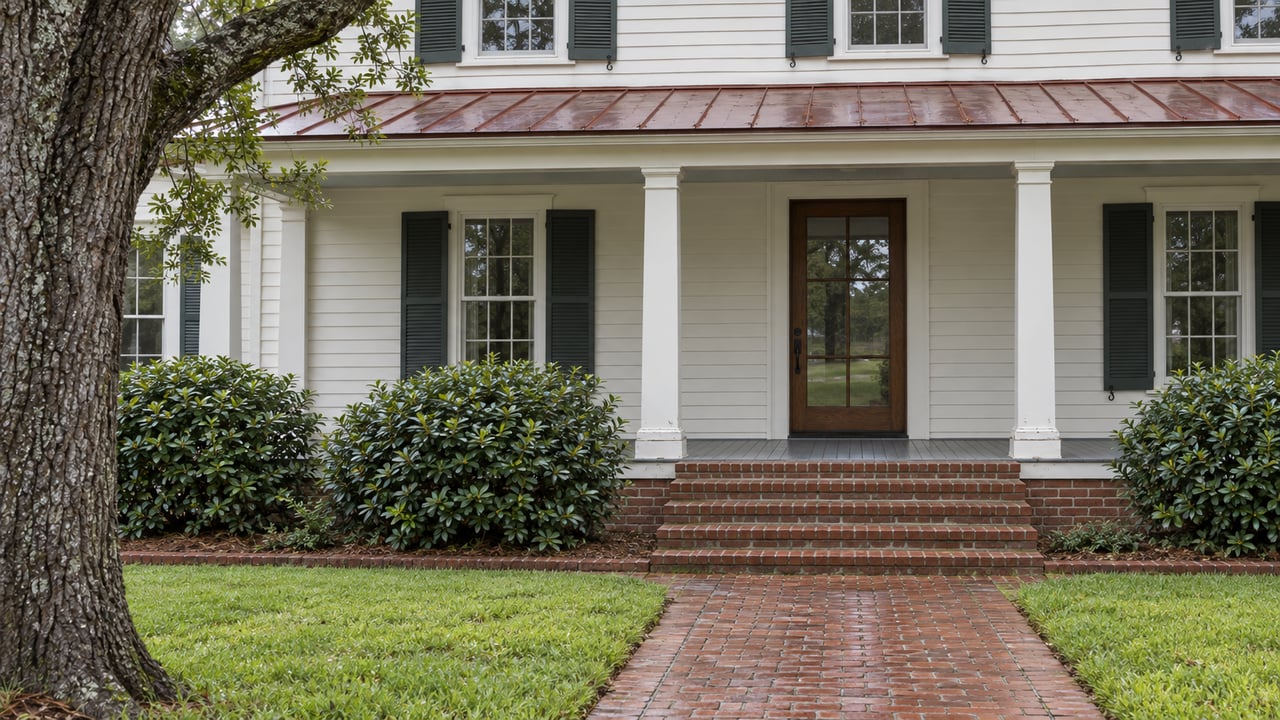
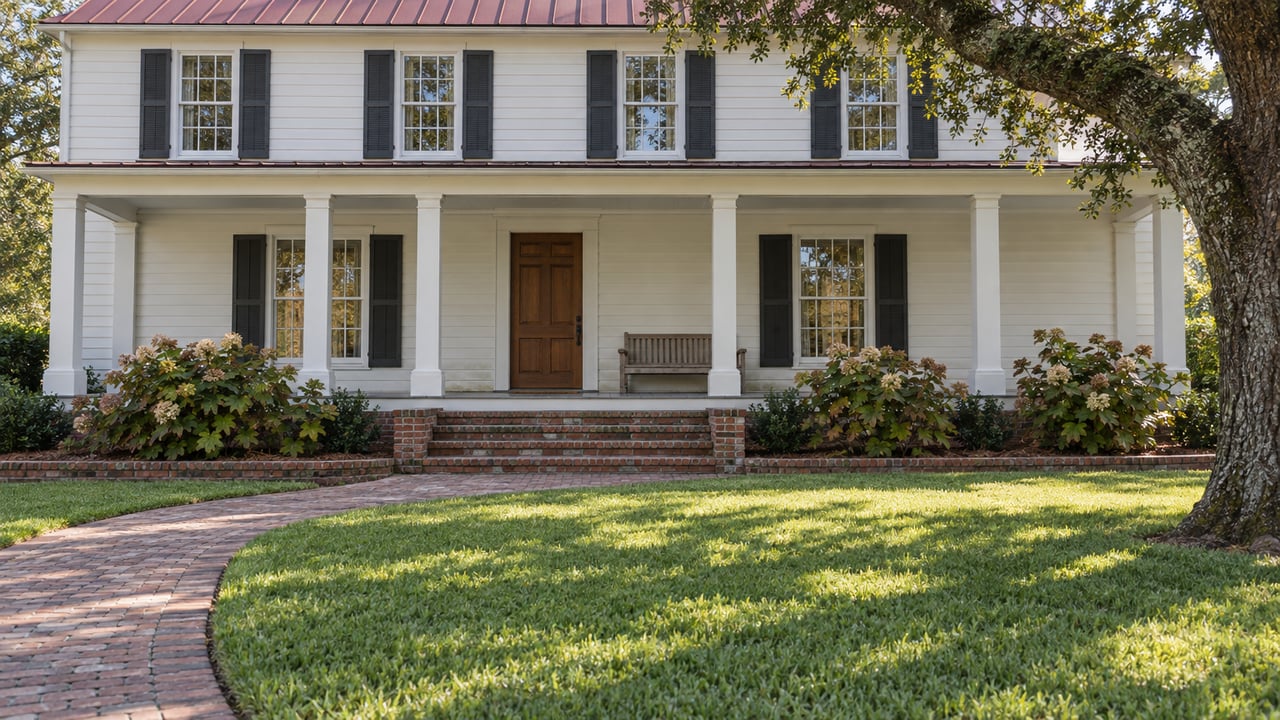
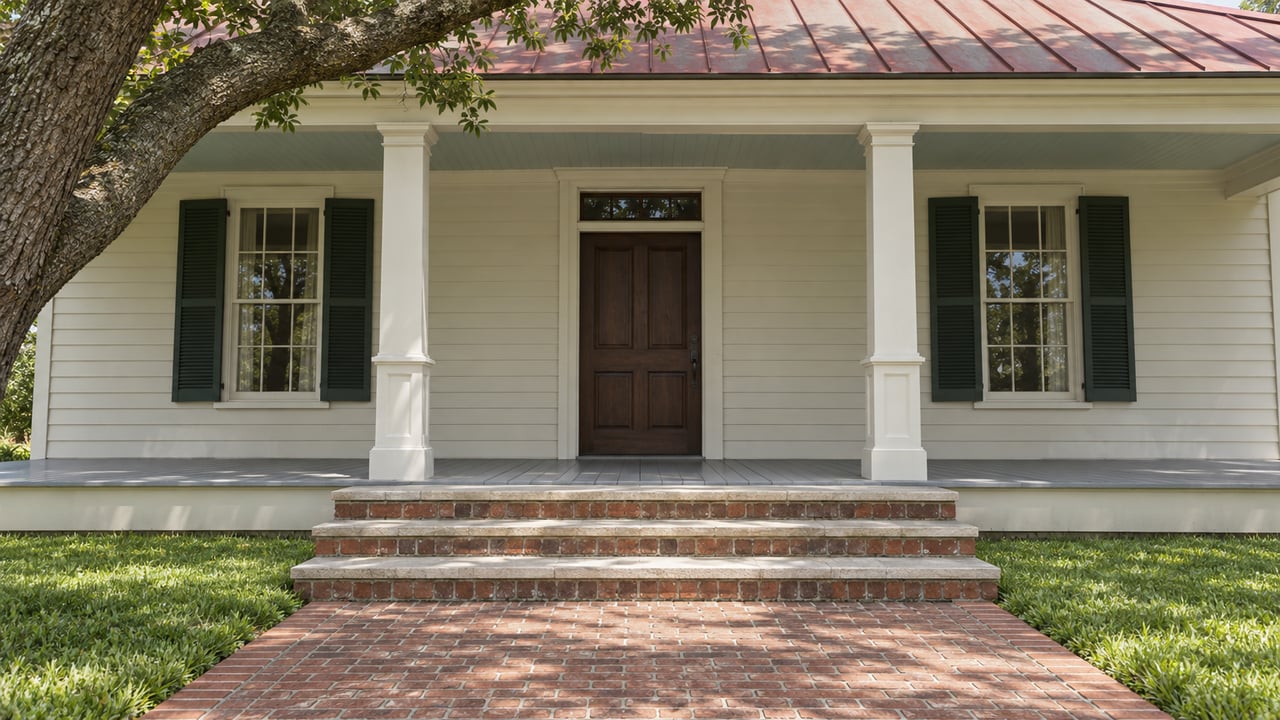
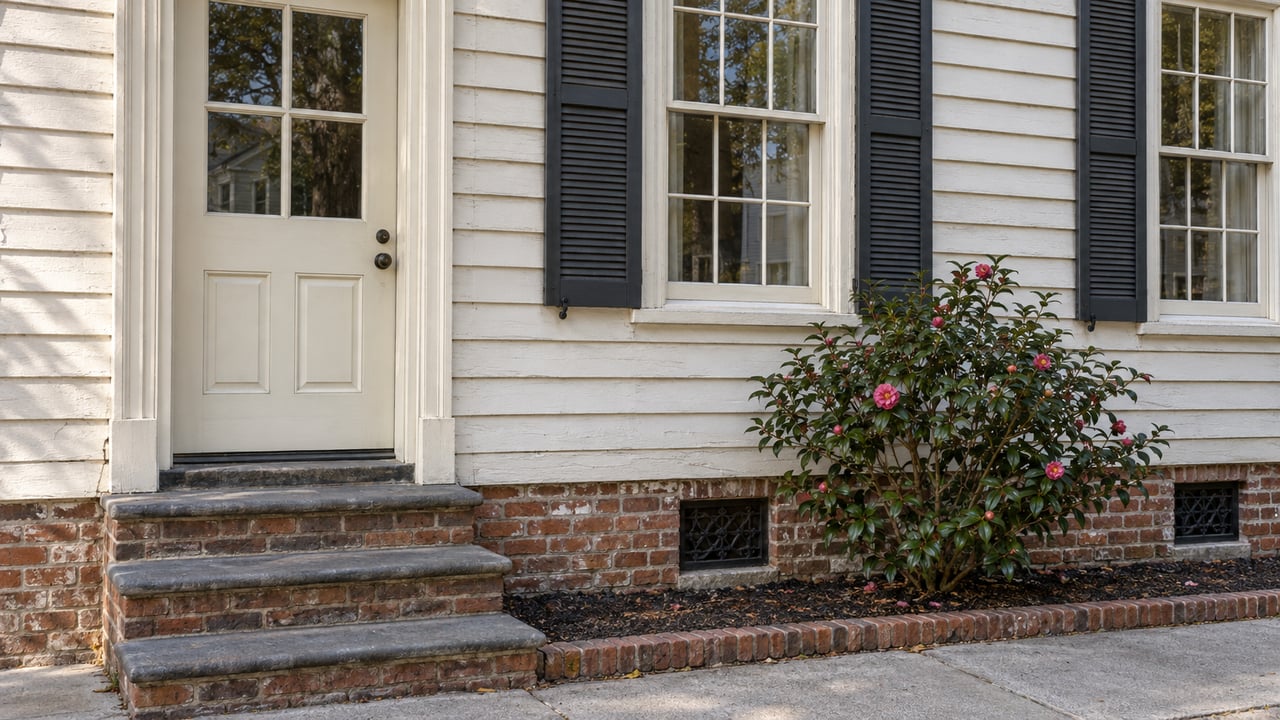
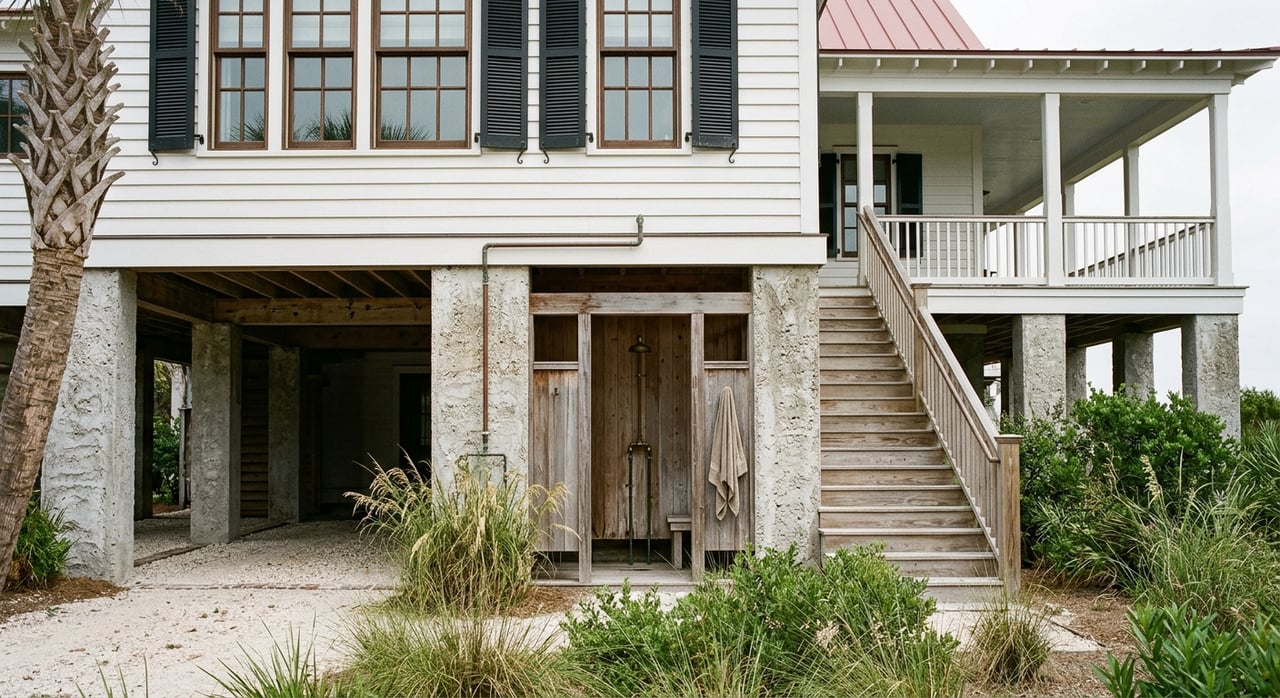
Sullivan’s Island has a more consistent residential feel and a stronger historic identity. The town’s historic survey describes island cottages and beach cottages as common historic house types, along with bungalows, laterally gabled houses, and military-related housing in certain areas. The town also emphasizes its four National Register districts and three local historic districts.
If architectural character and a more uniform streetscape matter to you, Sullivan’s Island often stands apart. Buyers drawn to older coastal homes and preservation-minded settings may find the island’s scale and fabric especially appealing.
Zoning and Preservation Considerations
Before you buy on either island, it helps to understand how local rules may shape future use and changes to the property. These details can affect everything from renovations to rental strategy.
Isle of Palms Zoning Basics
Isle of Palms uses seven zoning districts. The city states that residential and commercial base districts generally have 40-foot height caps, with special planned residential development rules in Wild Dunes.
For buyers, this means the property type and location can influence what is possible over time. If you are considering a resort-area home or a property with future improvement plans, zoning review should be part of your due diligence.
Sullivan’s Island Preservation Controls
Sullivan’s Island is more restrictive on scale and historic review. The town notes that historic properties may require Certificates of Appropriateness for certain work, and the zoning code caps principal building height at 38 feet, with some design-review adjustments possible.
That tighter framework can be a benefit or a constraint, depending on your goals. If you appreciate stronger preservation controls, Sullivan’s Island may align well with your priorities. If flexibility is more important, the approval process may feel more limiting.
Short-Term Rental Rules Matter
If you are buying with part-time use or income potential in mind, rental rules should be one of the first items you compare. Isle of Palms and Sullivan’s Island are not interchangeable on this point.
Isle of Palms Rental Framework
Isle of Palms requires a short-term rental business license for any rented residential unit. The city also limits overnight occupancy, caps the total number of people and vehicles, requires a 24/7 contact who can be on site within an hour, and allows up to four portable parking permits per year for eligible short-term rentals.
While regulated, this creates a clearer path for buyers who want to legally operate a short-term rental. It does not remove the need for careful review, but it does make Isle of Palms more practical for buyers who want that option.
Sullivan’s Island Rental Limits
Sullivan’s Island is notably stricter. The town treats vacation rental as a commercial use, sets a minimum three-night stay, limits occupancy to 12 people, caps gatherings, requires off-street parking, and requires a 24/7 contact person. The town’s long-term residential rental form also states that any rental of fewer than 28 consecutive nights is illegal.
For buyers, that points to a much tighter and more selective rental environment. If rental flexibility is central to your buying plan, this difference deserves close attention before you make an offer.
Price Points and Market Position
Price often makes the contrast clear very quickly. Current market data places Isle of Palms at a median sale price of $1,475,000 in March 2026, while Sullivan’s Island stood at $5.9 million.
Listing data also shows a meaningful spread. Current luxury listings show a median listing price of $2.2 million on Isle of Palms and $5.75 million on Sullivan’s Island.
Inventory examples reinforce the difference. Isle of Palms luxury listings range from sub-$1 million condos to $12.9 million oceanfront properties, while Sullivan’s Island current luxury inventory includes examples around $3.9 million, $7.75 million, and $8.75 million.
For many buyers, that means Isle of Palms offers a broader entry range and more product variety. Sullivan’s Island sits in a distinctly higher price tier, with a more limited and specialized market profile.
Which Island Fits Your Priorities?
The better choice depends on how you rank convenience, character, flexibility, and budget. Both islands are compelling, but they serve different buying goals.
Choose Isle of Palms If You Want
- A wider range of housing types, including condos, townhouses, resort homes, and detached houses
- Easier guest access with managed parking, beach access paths, and more built-in amenities
- A market with broader price entry points
- A clearer path to legally operating a short-term rental
- Resort infrastructure such as marina access, recreation, and the Wild Dunes environment
Choose Sullivan’s Island If You Want
- A quieter beach setting with a more controlled day-to-day feel
- Stronger historic character and a more consistently residential streetscape
- Preservation-minded oversight for certain historic properties
- A lower-scale built environment with tighter zoning controls
- A purchase focused more on lifestyle and legacy than on rental flexibility
A Smart Way to Compare in Person
If you are still deciding, the most useful next step is to compare both islands through the lens of your actual use case. A second-home buyer, a primary coastal buyer, and a buyer considering occasional rental income may all land in different places.
As you tour, focus on a few specific questions:
- How important is easy parking and guest access?
- Do you want a condo or resort property in the mix?
- Are you comfortable with stricter historic and zoning review?
- Is short-term rental potential a meaningful part of your plan?
- Does your budget align more naturally with Isle of Palms or Sullivan’s Island?
Those answers usually point to the right island faster than broad lifestyle language ever will. The best fit is the one that supports how you plan to own, use, and enjoy the property over time.
If you are weighing Isle of Palms against Sullivan’s Island, a tailored comparison can save time and sharpen your search. Middleton Rutledge offers discreet, data-informed buyer guidance across Charleston’s coastal markets, with particular insight into high-value island and historic property purchases.
FAQs
What is the main difference between Isle of Palms and Sullivan’s Island for beach buyers?
- Isle of Palms generally offers more amenities, more housing variety, and a broader price range, while Sullivan’s Island offers a quieter setting, stronger historic character, and stricter rental and preservation controls.
Is Isle of Palms or Sullivan’s Island better for short-term rentals?
- Isle of Palms usually offers a clearer legal path for short-term rentals because the city has a defined licensing framework, while Sullivan’s Island has a much more restrictive rental environment.
Are home prices higher on Sullivan’s Island than Isle of Palms?
- Yes. Current market data in the research report shows a median sale price of $1,475,000 for Isle of Palms and $5.9 million for Sullivan’s Island.
Does Isle of Palms have more condo options than Sullivan’s Island?
- Yes. Isle of Palms includes a broader mix of property types, including condos, townhouses, detached homes, and resort-area housing.
Is Sullivan’s Island more historic than Isle of Palms?
- Sullivan’s Island has a stronger historic preservation framework, including four National Register districts and three local historic districts, and it is known for older cottage and bungalow-style homes.
Which island is better for a second-home buyer in Charleston?
- That depends on your goals. Isle of Palms may suit buyers who want amenities, housing variety, and rental flexibility, while Sullivan’s Island may suit buyers who prioritize quiet surroundings, historic character, and a more residential feel.