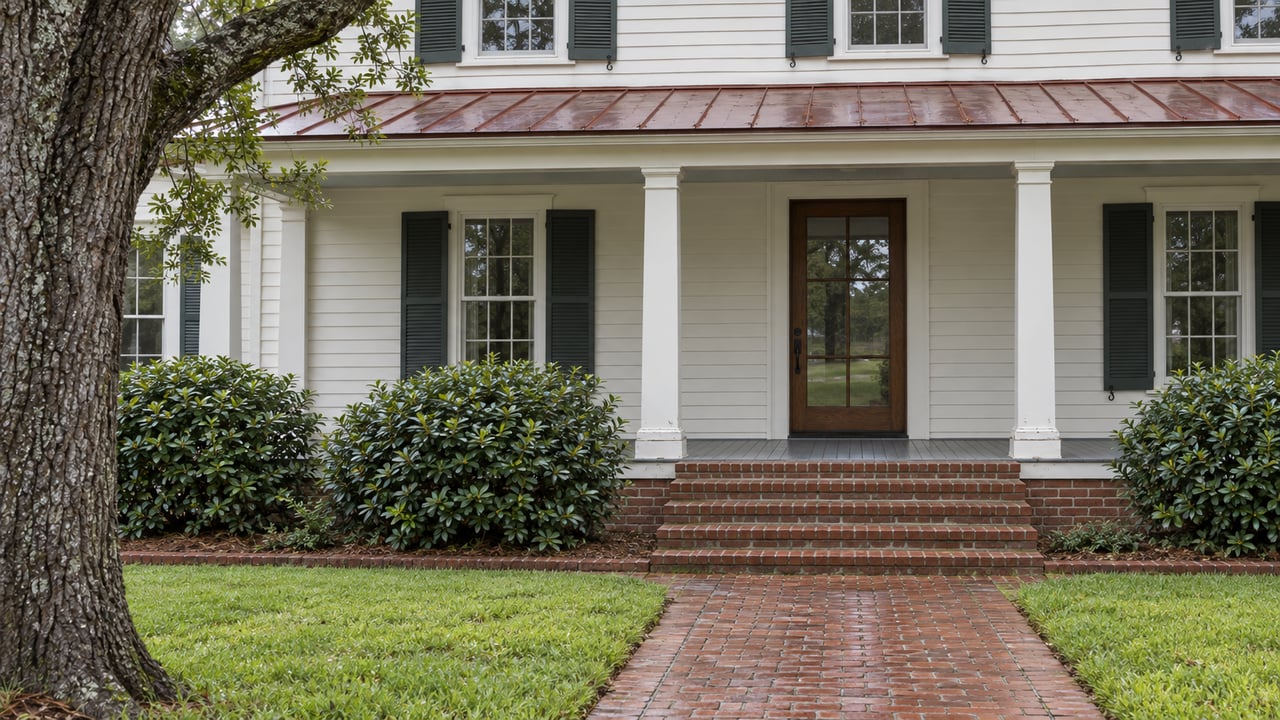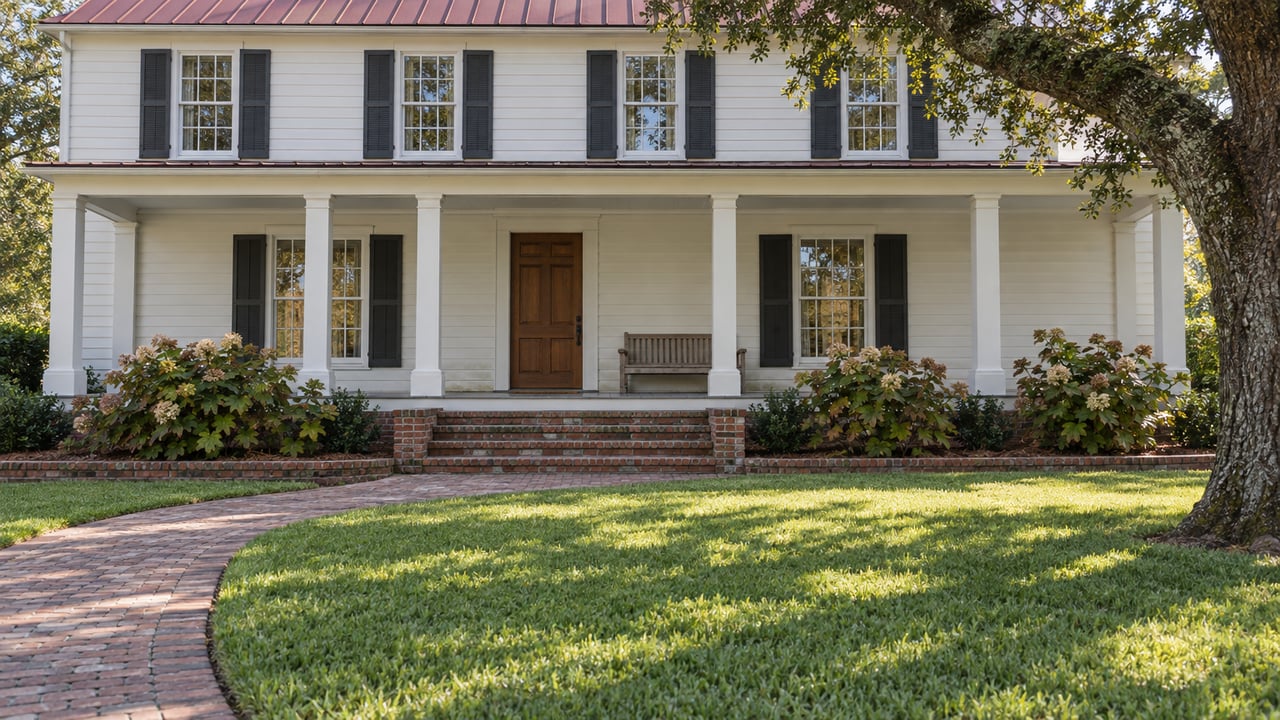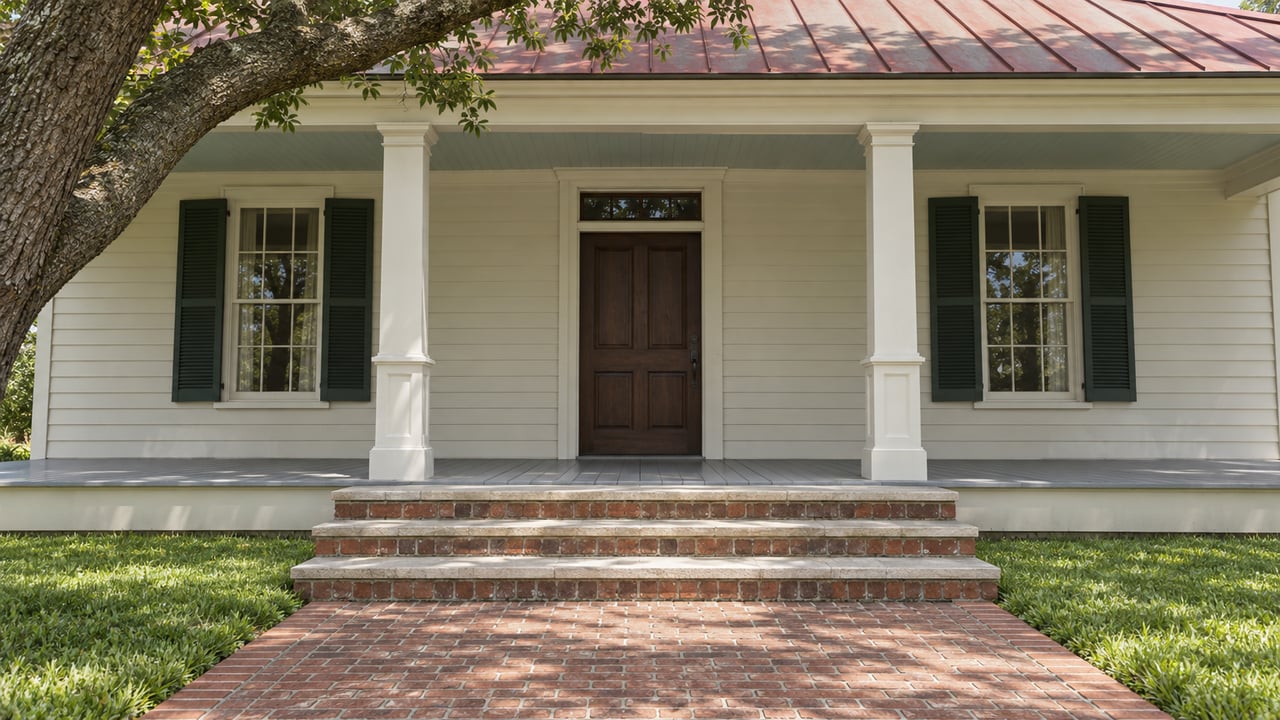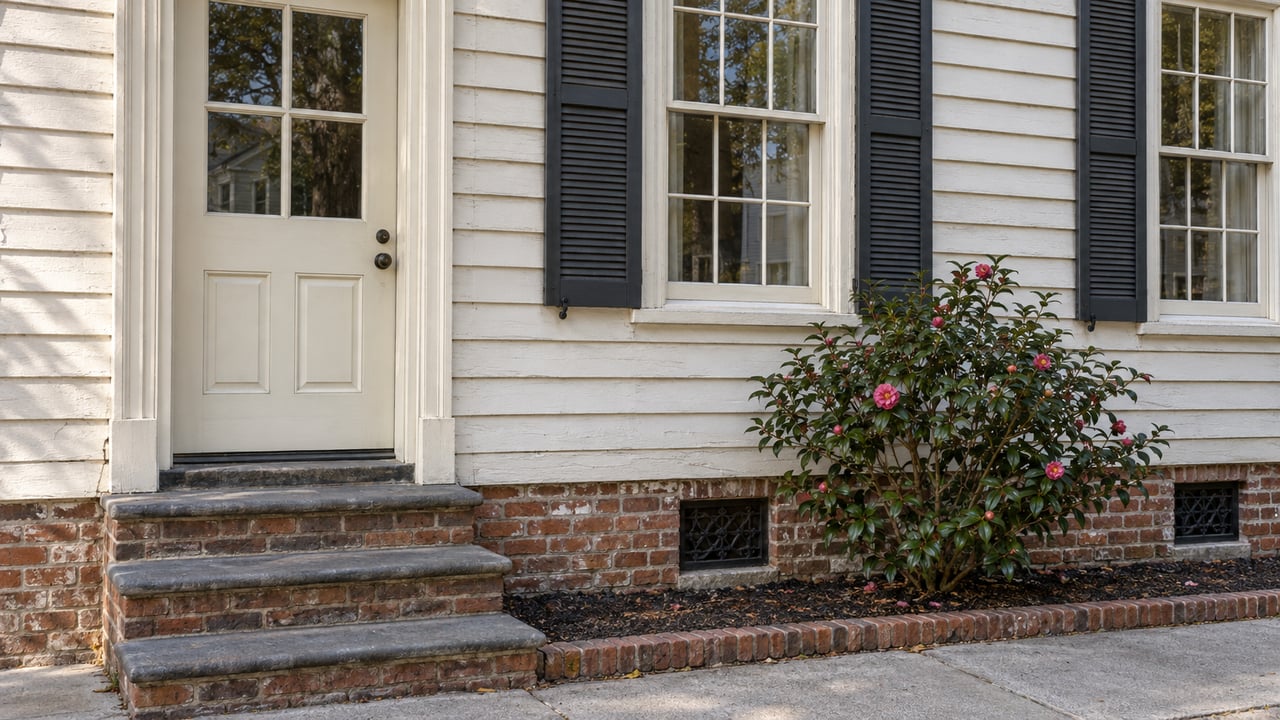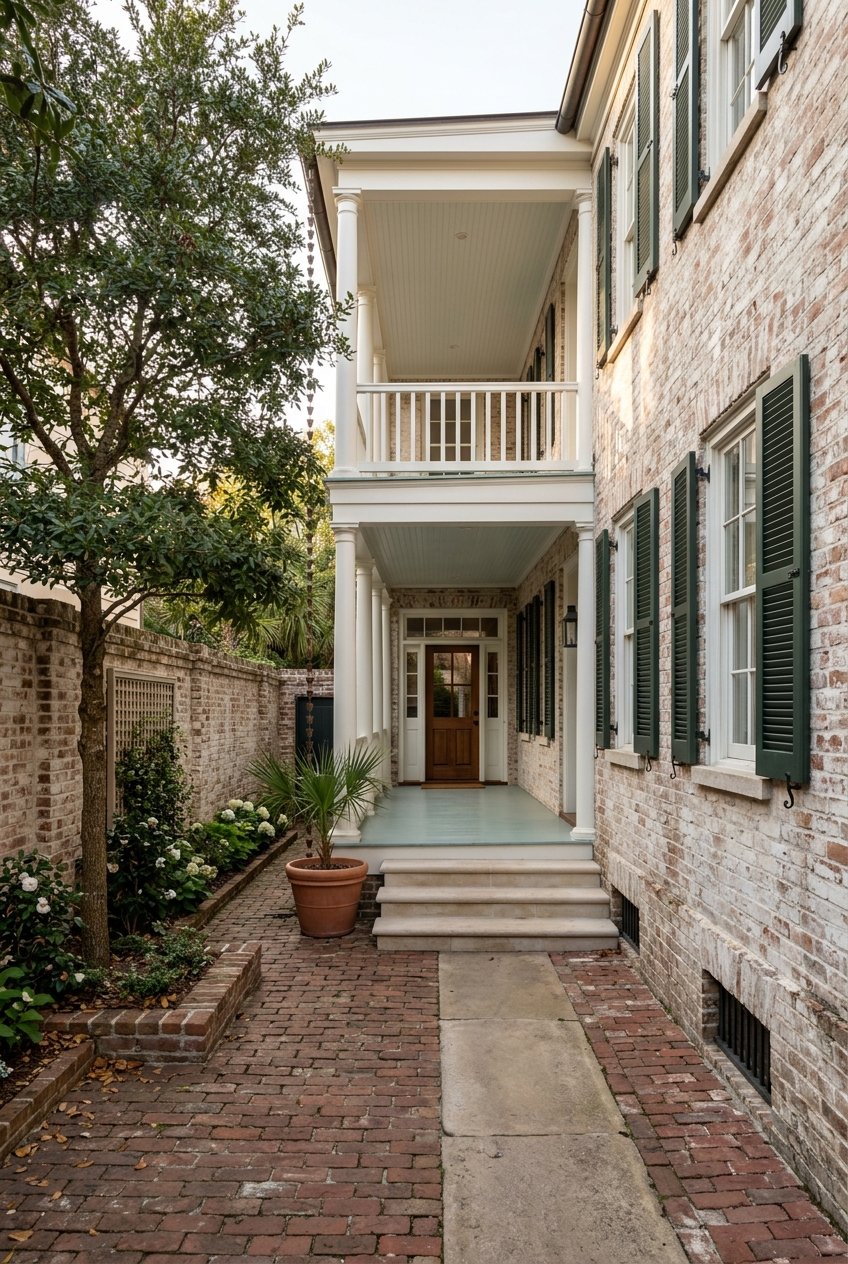
If you have ever wondered why historic Charleston homes feel so airy, layered, and deeply tied to outdoor living, the answer often starts with three features: porches, piazzas, and courtyards. These spaces were not added for charm alone. They were shaped by climate, lot patterns, and daily life in a city where shade, breeze, and privacy have long mattered. If you are buying, selling, or simply trying to better understand a historic Charleston property, knowing how these features work will help you see the home more clearly. Let’s dive in.
Why These Spaces Matter in Charleston
Charleston’s Old and Historic District includes more than 1,400 historically significant buildings, and the city’s Board of Architectural Review reviews visible new construction, alterations, renovations, and certain demolitions in historic districts. In other words, porches, piazzas, and courtyards are not just part of the city’s visual identity. They are also part of its preservation framework.
That practical importance makes these features more than decorative details. In many historic homes, they shape how the house sits on the lot, how light enters the rooms, and how the property is experienced from street to garden. For buyers and sellers, that means these spaces often carry both lifestyle value and preservation significance.
What a Charleston Piazza Really Is
In Charleston, a piazza is not just another word for a porch. In local architectural usage, the piazza is the long side porch associated with the historic single house. That house type is typically one room wide, set with its narrow end toward the street, with a side entry and a one- or two-story piazza running along one long side.
This design was a smart response to Charleston’s narrow town lots and humid subtropical climate. Historic documentation shows that the narrow footprint improved cross-ventilation, while the piazza was usually placed on the south side to reduce direct sun. The result is a house form that feels elegant, but is also highly practical.
How Climate Shaped the Design
Charleston’s weather helps explain why these outdoor rooms still matter today. NOAA climate normals for Charleston show an annual mean temperature of 67.2°F, with July averaging 82.3°F, August 81.4°F, and annual precipitation at 44.26 inches. In a warm, humid environment like this, shaded transitional spaces make everyday life more comfortable.
Historic Charleston homes often turned the exterior into part of the interior experience. In documented examples such as the Magwood House, the piazza wraps the south and west sides of the home to shield it from the strongest sun. The narrow plan also lets major rooms have windows on at least two walls, which supports light and airflow.
That means a porch or piazza affects much more than curb appeal. It can influence the feel of the rooms behind it, soften sunlight, and create the kind of breezy connection between indoors and outdoors that many buyers want in a Charleston home.
Why Homes Feel So Layered
One of the most distinctive things about a historic Charleston house is how you move through it. Instead of a front-door-centered plan, many homes create a sequence of spaces. You move from the street to the piazza, then into the hall, and finally toward the garden or courtyard.
That progression gives the home a more private and gradual rhythm. It can make even a compact urban lot feel surprisingly spacious. For buyers touring peninsula properties, this layered layout is often part of what makes a historic Charleston house feel unlike homes in other cities.
Courtyards Are More Than Hidden Extras
Courtyards and rear gardens are easy to underestimate if you are focused only on the front elevation. Historically, Charleston lots often extended well beyond the main house. The back portion of the property played an important role in everyday life.
The Charleston Museum notes that the back lot at the Heyward-Washington House has served as a gunsmith forge, kitchen, laundry room, bakery, and work yard. These work yards also supported outbuildings, wells, cisterns, drainage systems, and gardens. At properties such as the Joseph Manigault House and the Chancognie House, the rear lot pattern remains visible through gardens, outbuildings, walls, and workyard arrangements.
For a modern homeowner, that history still matters. A courtyard may be visually hidden from the street, but it can be one of the most useful parts of the property for outdoor dining, entertaining, gardening, or everyday quiet use. In many historic Charleston homes, the courtyard is not leftover space. It is the private outdoor room that completes the house.
What Buyers Should Notice
If you are shopping for a historic Charleston home, it helps to look at these features as part of the home’s function, not just its style. A piazza can affect comfort, privacy, and the way the floor plan lives day to day. A courtyard can change how much usable outdoor space you truly have.
As you tour a property, pay attention to a few specific details:
- Which side of the house the piazza is on
- How the piazza shades nearby interior rooms
- Whether main rooms have windows on more than one wall
- How the house transitions from street to side entry to rear garden
- Whether the courtyard feels private, usable, and integrated with the home
- What visible exterior elements may fall under historic review
These observations can help you understand the home beyond finishes and square footage. They also help you compare properties that may look similar at first glance but live very differently.
What Sellers Should Keep in Mind
For sellers, these architectural features often deserve thoughtful presentation. A historic piazza or courtyard can tell a strong story about how the house was designed to handle Charleston’s climate and urban pattern. That story is often more compelling than simply calling a space charming.
When a property has an intact piazza, a strong indoor-outdoor sequence, or a private rear courtyard, those features should be framed as part of the home’s architectural logic and daily livability. In the right hands, that kind of positioning can help buyers understand both the provenance and the lifestyle value of the property.
Historic Rules Matter Today
In Charleston’s historic districts, preservation rules give porches and piazzas real practical weight. The city’s guidelines state that piazzas and porches are important historic features, and enclosing a porch or piazza is generally discouraged. If screening is allowed, it must be reversible, minimal, set inside the columns and railings, and cannot use aluminum screening.
The guidelines also state that synthetic replacements such as fiberglass are not appropriate for piazza or porch elements. On top of that, the Board of Architectural Review reviews new construction, alterations, and renovations visible from the public right-of-way in historic districts. So if you are buying a historic home, it is important to understand that these spaces are not simply exterior areas to change at will.
Why Local Guidance Makes a Difference
Historic Charleston homes ask for a more informed eye than a typical home search or sale. Features like piazzas and courtyards are tied to preservation guidelines, architectural history, and the day-to-day experience of the property. Understanding how those pieces fit together can affect both decision-making and value.
That is especially true on the peninsula, where lot patterns, house forms, and historic review can vary from one block to the next. Working with someone who understands Charleston’s architectural vocabulary can help you evaluate not just what a property looks like, but how it lives and what stewardship may involve.
If you are considering buying or selling a historic Charleston home, Middleton Rutledge offers local, heritage-informed guidance shaped by deep knowledge of the peninsula’s most distinctive properties.
FAQs
What is a piazza in a historic Charleston home?
- In Charleston usage, a piazza is the long side porch commonly associated with the historic single house.
Are porches and piazzas the same in Charleston?
- Not exactly. A piazza is a specific type of side porch in Charleston’s architectural vocabulary, though the city treats piazzas and porches together as important historic features.
Why are Charleston piazzas often on the south or west side?
- Historic documentation shows they were placed to help reduce direct sun and support airflow in Charleston’s hot, humid climate.
Why do courtyards matter in historic Charleston properties?
- Historic rear lots often served as gardens, work yards, and outdoor living areas, so a courtyard can be one of the most functional and private parts of the property.
Can you screen a porch or piazza in Charleston’s historic districts?
- Sometimes, but the city generally discourages enclosure, and any approved screening must be reversible, minimal, and set inside the columns and railings.
Why should buyers pay attention to porches, piazzas, and courtyards in Charleston homes?
- These features influence shade, airflow, privacy, outdoor living, and in some cases what changes may be reviewed under Charleston’s historic preservation rules.