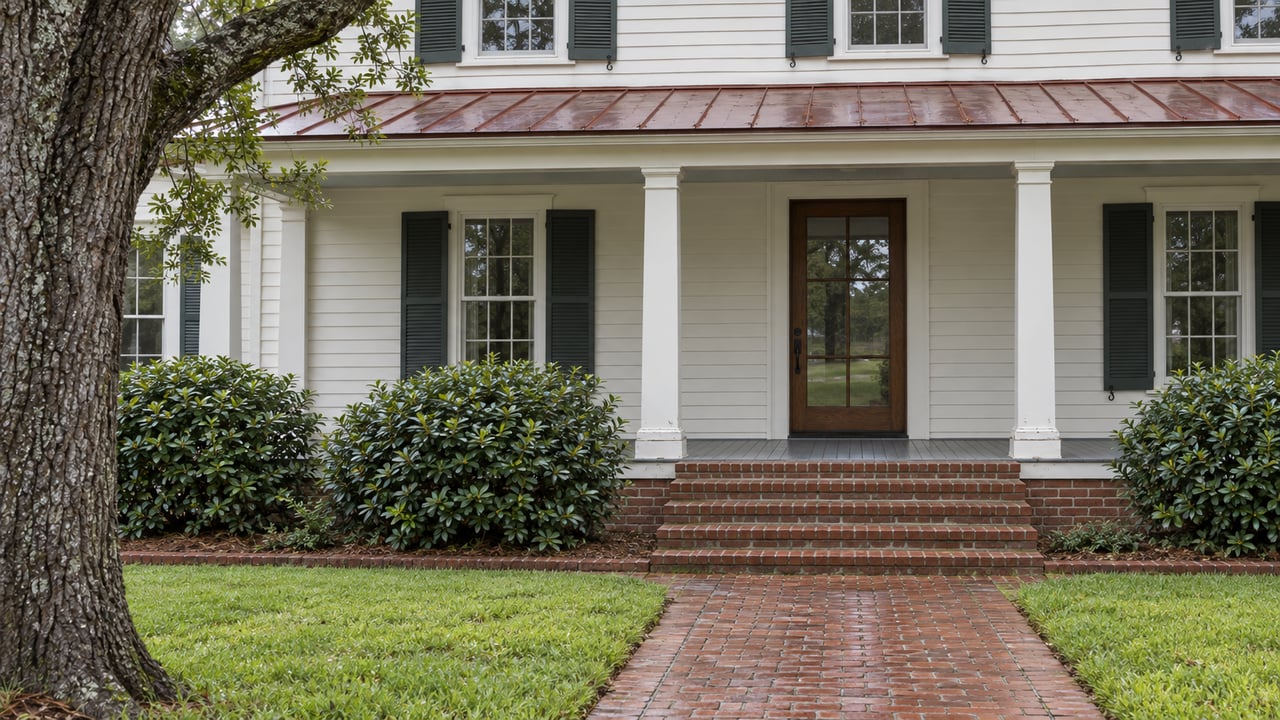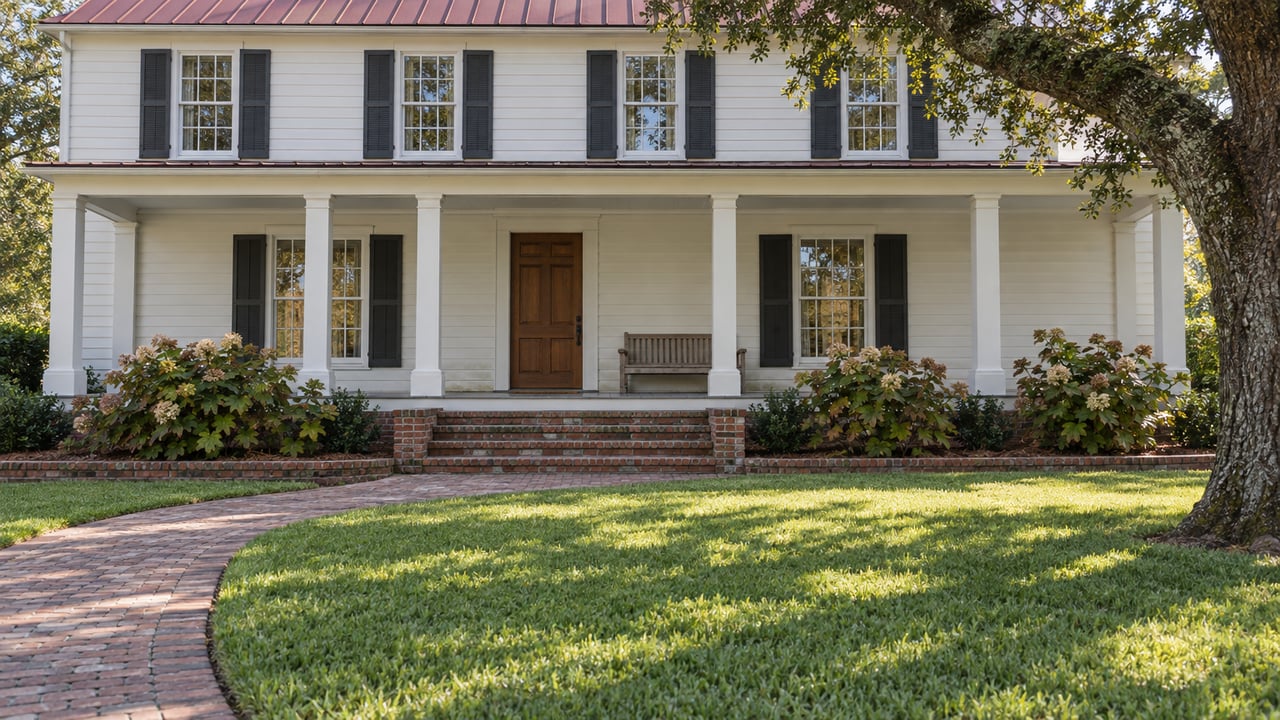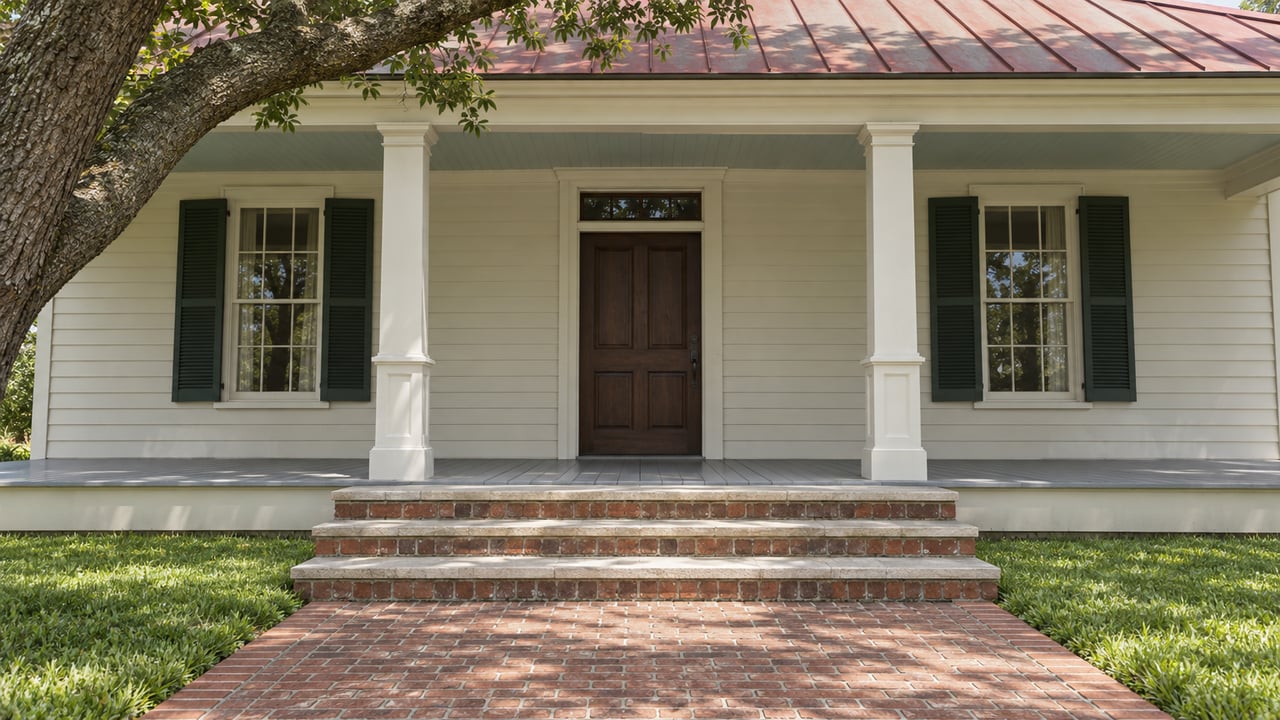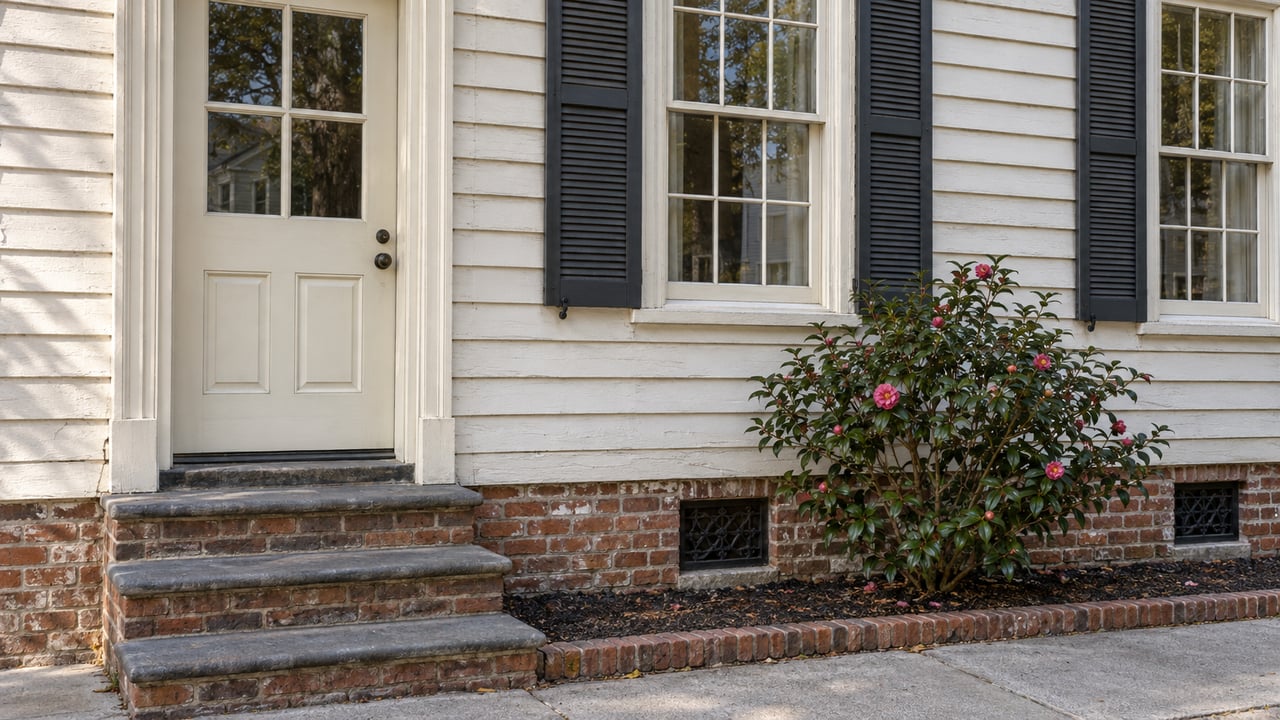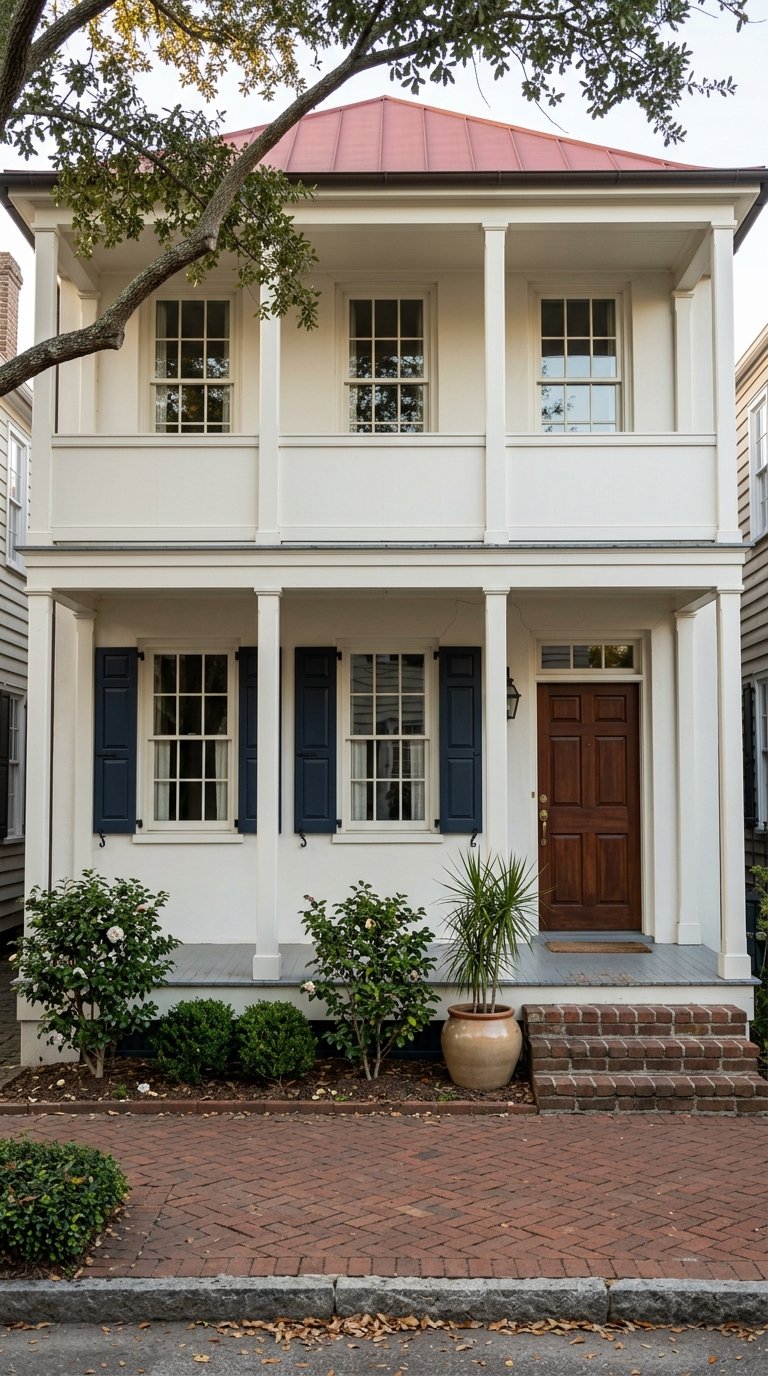
If you are selling a historic Charleston home, beautiful architecture alone is not enough. In a market where luxury buyers compare details closely and historic properties often come with preservation questions, the way your home is presented can shape both interest and confidence. The right marketing does more than attract attention. It helps serious buyers understand what makes your property special, what has been improved, and what comes next. Let’s dive in.
Why historic Charleston homes need luxury marketing
Selling a historic home on the Charleston peninsula is different from selling a newer property. Buyers are often drawn to original materials, period details, and the story of the house, but they also want clarity about updates, condition, and approvals. A premium marketing plan helps connect those pieces in a way that feels polished and easy to trust.
That matters even more in Charleston because preservation is part of the ownership experience. The City of Charleston notes that the Board of Architectural Review oversees many visible changes to historic properties, including certain alterations, renovations, and demolitions of buildings 50 years or older in key areas. When buyers know a home may involve historic review, they tend to look more carefully at documentation and past work.
Charleston preservation adds another layer
For many historic peninsula homes, the selling story is not just about size, finishes, or location. Buyers may want to know what is original, what has been restored, and whether prior work was reviewed or permitted. That is why luxury marketing for historic homes should answer questions before a buyer has to ask them.
The city also notes that some work, such as painting, rot repair, or small modifications, may be handled through staff review, while larger projects may require formal submittal. That makes pre-listing preparation especially helpful. When your listing materials present a clear picture of the property’s history and improvements, buyers can focus on the home itself instead of guessing.
Luxury buyers expect more than a basic listing
Today’s buyers are highly digital, but they still rely heavily on professional guidance. According to the National Association of Realtors 2025 Profile of Home Buyers and Sellers, 43% of buyers first looked online for properties, and 88% purchased through a real estate agent or broker. That means your online presentation often creates the first impression, but it also needs to support the deeper conversations that happen once interest builds.
The same report shows what buyers find most useful online. Photos ranked highest, followed by detailed property information, floor plans, virtual tours, and videos. For a historic Charleston home, this points to a simple truth: strong marketing is not decorative. It is a practical tool that helps buyers understand a visually rich and sometimes complex property before they ever step through the front door.
What premium marketing should include
A historic luxury listing deserves a strategy that is coordinated, not pieced together. Buyers at the high end often compare multiple properties, and they notice when the story, visuals, and facts do not line up. A well-executed launch should make the home feel both distinctive and understandable.
At a minimum, premium marketing should include:
- Professional photography that captures architectural details, natural light, and flow
- Editorial listing copy that explains provenance, updates, and important features in plain language
- Floor plans that help buyers understand room relationships and layout
- Virtual tours or video when they add clarity for out-of-town or second-home buyers
- Thoughtful staging or styling that highlights scale and livability
- Broad but targeted exposure across the MLS, major portals, the agent’s website, and in-person showings
According to NAR’s 2025 seller findings, 86% of sellers who used an agent listed on the MLS website, 61% used a yard sign, 58% used an open house, and many also used agent websites and major search platforms. In Charleston’s luxury segment, the strongest results usually come from combining digital reach with polished in-person presentation.
Why staging matters in historic homes
Historic homes can be unforgettable, but they can also be harder for buyers to read if rooms feel too personal, crowded, or undefined. Smart staging helps buyers picture how the home lives today while still respecting its character. That balance is especially important in older properties with formal rooms, unusual layouts, or antique architectural details.
NAR’s 2025 staging report found that 83% of buyers’ agents said staging made it easier for buyers to picture the property as a future home. The same report found that 49% of sellers’ agents said staging reduced time on market, and 29% reported a 1% to 10% increase in the dollar value offered. In other words, staging can support both emotional connection and financial results.
If you are deciding where to focus, the most important rooms are often the living room, primary bedroom, and kitchen. These spaces tend to shape a buyer’s overall impression quickly. Even modest refinements can help your home feel more cohesive in photography and stronger during showings.
Documentation can strengthen buyer confidence
One of the most valuable parts of luxury marketing happens before the cameras arrive. Historic sellers often benefit from gathering permit records, easements, prior approvals, and notes on major improvements before the listing goes live. In Charleston, where the Preservation Division encourages owners to check with staff before work and complete submittals are needed for permit processing, organized records can help reduce friction.
This is especially useful because buyers at higher price points are often careful and methodical. They are not just buying charm. They are evaluating stewardship, future flexibility, and risk. Clear documentation helps support the quality of the home and the credibility of the asking price.
Charleston luxury buyers are selective
Charleston is not a niche luxury market anymore. Realtor.com’s December 2025 luxury report found that 20% of listings in the Charleston-North Charleston metro were priced above $1 million, compared with 12% nationally. The report also noted an entry point to luxury just under $2 million, with high-end luxury beginning near $3 million.
That depth creates opportunity, but it also raises the bar. Buyers at these price points have choices, and they tend to compare condition, presentation, and story very closely. If your home is one of several high-value options on the market, polished marketing helps keep attention on what makes it truly different.
Charleston Trident MLS data also show a more selective environment at the top end. As of May 8, 2026, homes priced at $1,000,001 and above had 4.7 months of supply. That does not mean demand is absent. It means sellers should not rely on scarcity alone to do the work.
The best listing narrative reduces uncertainty
A luxury buyer should not have to work hard to understand your property. Great listing copy does more than describe finishes. It translates architectural detail, condition, and improvements into a narrative that feels easy to absorb on a phone screen or in a brochure.
For a historic Charleston home, that might mean clearly explaining:
- Which features appear to be original
- What has been restored or renovated
- Whether key work had city review or approvals
- How indoor and outdoor spaces function today
- What makes the property distinct within its price point
This kind of clarity is powerful because it reduces uncertainty. In a market where buyers may be considering second homes, investment-minded purchases, or major lifestyle moves, confidence can directly affect how quickly they act and how strongly they offer.
A polished launch starts before day one
Many sellers have lived in their home for years and no longer see it through a buyer’s eyes. NAR reports that the typical seller has owned the home for 11 years. By the time you decide to sell, features that feel familiar to you may need reframing so a buyer can appreciate them fully.
That is why the strongest luxury campaigns begin with preparation, not promotion. Before launch, it helps to review condition, refine staging, organize records, and shape a pricing and positioning strategy that fits the current market. Once the home goes live, every detail should work together.
A thoughtful pre-listing checklist may include:
- Gathering permits, approvals, and improvement records
- Identifying original architectural elements worth highlighting
- Editing furnishings for cleaner photography and showings
- Prioritizing touch-ups such as paint or minor repair, when appropriate
- Creating floor plans and a media schedule before launch
- Building listing copy that explains the home with precision
Why local expertise matters here
Historic Charleston is not a place for one-size-fits-all listing advice. Two homes with similar square footage can appeal to very different buyers based on block, provenance, condition, and preservation context. That is why local knowledge matters just as much as production value.
A strong advisor helps you present not only the house, but also the details that matter around it. That includes understanding buyer expectations for peninsula properties, recognizing what documentation supports confidence, and shaping a marketing strategy that fits a high-value, historically significant asset. In a market like Charleston, luxury marketing works best when it combines editorial quality with real local fluency.
If you are preparing to sell a historic home in Charleston, your marketing should do more than make a beautiful first impression. It should answer questions, support value, and attract the right buyer with clarity and confidence. To plan a thoughtful, high-level approach for your property, connect with Middleton Rutledge.
FAQs
What does luxury marketing mean for a historic Charleston home?
- Luxury marketing for a historic Charleston home usually includes professional photography, editorial listing copy, floor plans, digital media, strategic exposure, and organized property documentation that helps buyers understand the home clearly.
Why do historic Charleston sellers need permit and approval records?
- Historic Charleston sellers often benefit from permit and approval records because buyers may want clarity on past work, restorations, and whether visible changes were reviewed through the City of Charleston’s preservation process.
How important is staging for a luxury home sale in Charleston?
- Staging can be very important because NAR reported that it helps buyers picture the property as a future home, may reduce time on market, and can support stronger offers.
What do online buyers want to see in a Charleston luxury listing?
- Buyers using the internet said photos, detailed property information, floor plans, virtual tours, and videos were among the most useful features when evaluating homes online.
Is the Charleston luxury market competitive for sellers?
- Charleston remains an active luxury market, but buyers have options. Research shows a meaningful share of listings are above $1 million, and supply at higher price points gives buyers room to compare homes carefully.
When should historic Charleston homeowners start preparing to sell?
- Historic Charleston homeowners should ideally begin before the home is listed by organizing records, planning staging, refining presentation, and building a clear strategy for pricing and launch.