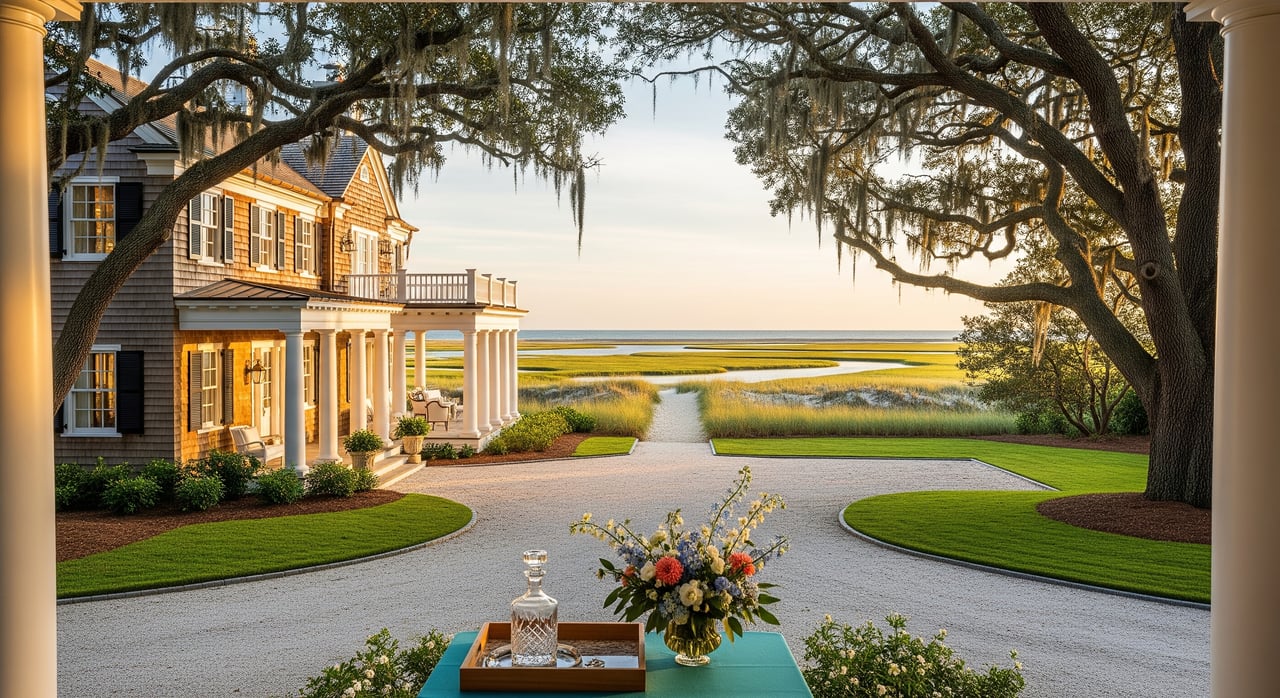
Buying on Kiawah Island from out of state can feel daunting. You want a clear view of every room, a firm handle on risks like flood zones and insurance, and a secure way to close without hopping on a plane. You can do all of that with a concierge virtual-tour process designed for privacy, precision, and confidence. In this guide, you’ll learn how remote tours work on Kiawah, what to inspect on coastal properties, and how to close securely from anywhere. Let’s dive in.
Why buy remotely on Kiawah
Kiawah Island is a gated, private barrier-island community with luxury homes, renowned beaches, and golf. Inventory can be limited, and off-market listings are common at the high end. Remote touring helps you act quickly, evaluate properties with context, and keep your plans discreet.
Community rules and club policies matter here. Properties may be governed by HOA covenants, Kiawah Island Community Association rules, and, where applicable, Kiawah Island Club membership policies. Reviewing these early helps you understand renovation approvals, exterior standards, and any restrictions on rentals or use.
Coastal factors also shape smart decisions. Flood zones, dune protections, setbacks, and hurricane exposure influence insurance, permitting, and long-term maintenance. A concierge process makes sure you see the full picture before you write an offer.
How concierge virtual tours work
A concierge model gives you one point of contact to coordinate tours, vendors, and closing steps so you can buy with clarity from afar.
Live private video tours
Join FaceTime, Zoom, or Teams for real-time walk-throughs. Ask questions while the camera covers approach, entries, main rooms, storage, garages, and outdoor spaces. Your agent can pan slowly, call out room dimensions, and spotlight details you would check in person.
Recorded walkthroughs and 3D scans
You receive high-resolution videos and, when available, 3D scans and floor plans to study layout and scale. Good recordings are checklist-driven, timestamped, and include candid views of systems and any visible issues so you can revisit them with your inspector.
Drone and neighborhood context
Aerial footage shows orientation to water, roof condition, lot lines context, and proximity to amenities. This helps you understand sun angles, privacy, and how the home sits on the street.
What a thorough tour includes
- Exterior approach, street orientation, driveways and entries
- Roofline views where safely visible and soffit condition
- Attic and crawlspace access points if safe to enter
- HVAC units, water heater, electrical panels, and appliances running
- Window seals, moisture-prone areas, and any signs of water intrusion
- Views from porches, decks, and primary outdoor living areas
Pre-tour preparation
Good preparation keeps your virtual time efficient and productive.
Your pre-tour checklist
- Confirm your pre-approval or proof of funds
- Request HOA, KICA, and any club documents for a preliminary review
- Identify must-haves and deal-breakers to guide camera time
- Ask for recent repairs, roof age, and known assessments
Video and documentation standards
- Use a steady camera or gimbal and slow, continuous pans
- Speak room dimensions aloud and capture scale reference
- Turn on key systems during filming to record operation
- Date-stamp the file and note weather conditions
- Provide secure links to raw video and high-resolution stills
Privacy and discretion
For quiet previews or off-market homes, expect password-protected links, watermarked videos, and, when required, an NDA and proof of funds before materials are released.
Step-by-step remote purchase timeline
Follow a clear sequence so you can move decisively when the right property appears.
- Pre-offer
- Secure pre-approval or proof of funds
- Complete live tours and recorded walkthroughs
- Review HOA, KICA, and any club membership policies and fees
- Offer and negotiations
- Your agent submits terms and manages counters
- Earnest money is deposited to a verified escrow account with a title company or closing attorney
- Due diligence
- Schedule inspections within the contingency period
- If you cannot attend, have your agent or a third-party representative record the inspection walk-through
- Review written reports and repair estimates
- Closing
- E-sign documents where permitted by South Carolina law and your lender or closing attorney
- Complete notarizations as required, either in person or through approved remote methods
- Conduct the final walk-through via live video or with a trusted representative
- Wire funds only after verifying instructions directly with the title or closing agent
Coastal due diligence on Kiawah
Coastal homes deserve extra scrutiny. Plan your inspections and insurance research before you finalize price.
Inspections to schedule
- Full home inspection covering structure, plumbing, electrical, and mechanical systems
- Pest and wood-destroying insect inspection
- Roof and chimney inspection
- Pool and spa inspection if applicable
- Seawall, bulkhead, or shoreline assessment for tidal properties
- Mold, moisture, and HVAC corrosion review
- Boundary and elevation survey, including an elevation certificate from a licensed surveyor when needed
Surveys and elevation certificates
Elevation affects flood risk and premiums. An elevation certificate prepared by a licensed surveyor can materially change your flood insurance cost and may be required by your lender. Ask early whether a recent certificate exists and whether new measurements are needed.
Insurance to price early
Expect to evaluate three components: homeowners coverage, wind or hurricane coverage, and flood insurance if the home is in a mapped flood zone. Premiums depend on flood zone, elevation, roof age, and carrier availability. Reviewing loss history and past claims helps you price risk and negotiate repairs.
HOA, KICA, and club rules
Before you close, confirm covenants, design review standards, and any transfer fees. If the home involves membership to a private club, clarify what transfers, what does not, and the timeline for approvals. These rules can affect renovations, exterior work, and rental options.
Secure closings from afar
Remote execution is common, but details vary by lender, title company, and state practices. Build your plan with the closing attorney or title professional at the start.
E-signing and notarization basics
The federal ESIGN Act and UETA allow electronic signatures in many transactions where state law permits. In South Carolina, acceptance of e-signatures and remote online notarization depends on current state rules and your specific lender or title company. Confirm which documents require in-person notarization and what can be signed electronically so you avoid surprises.
Title, escrow, and wire safety
A local title company or closing attorney will examine title and arrange title insurance. Earnest money and closing funds should be wired only to verified accounts. Always confirm wiring instructions by calling the title or closing agent using a trusted, independently verified phone number. Expect two-factor verification and be alert to email changes or sudden urgency, which are common signs of attempted fraud.
Financing and appraisals
Coastal and luxury properties can be challenging to appraise due to limited comparable sales. Discuss appraisal timelines and access needs early. Lenders may require proof of flood coverage and have stricter standards for second homes or investment properties. Video materials can help with context, but the appraiser will set the final scope.
Using a limited POA
A limited power of attorney can allow a trusted representative to sign for you where accepted. Some lenders and title insurers limit POA use or require specific forms. Get written approval from the lender, title company, and county recording office before relying on this approach.
Accessing off-market inventory
Many Kiawah sellers value discretion, and private offerings are common. Established local networks often surface quiet opportunities before they reach the MLS. Be prepared to share proof of funds and sign NDAs to access private materials and showings.
With limited public market testing on off-market deals, protect yourself through thorough inspections, strong due-diligence periods, and clear written disclosures. Your agent should explain how they source private opportunities and the safeguards they use to maintain confidentiality while protecting your interests.
Your local team and vendor vetting
A trusted local advisor coordinates the moving parts so you do not have to play general contractor from afar.
Categories you will likely need:
- Buyer’s agent experienced with Kiawah and concierge coordination
- Local title company or closing attorney
- Mortgage lender or broker with coastal property experience
- Licensed home inspector with coastal expertise
- Structural or marine engineer and a licensed surveyor for elevation certificates
- Licensed contractors for estimates and repairs
- Property management for second-home or rental compliance
- Movers, housekeepers, and provisioning vendors
Vetting checklist to save time and reduce risk:
- Verify state licensing and insurance for every vendor
- Request Kiawah or Charleston-area references and recent work samples
- Confirm inspector certifications and coastal experience
- Clarify title and escrow safety procedures, including how wire instructions are delivered and verified
- Get written scopes, itemized estimates, and timelines before work begins
Final walk-through and move-in logistics
If you cannot attend in person, have your agent or representative complete the final walk-through on live video. Confirm that agreed repairs are finished, appliances and systems run, and any inclusions remain on site. Line up cleaners, movers, and property management so the home is ready the day you receive keys.
Work with a concierge advisor
Buying remotely on Kiawah is entirely achievable when you combine private virtual tours with coastal-specific due diligence and secure closing practices. The right advisor coordinates vendors, surfaces off-market options, and keeps every step organized so you can move with confidence. If you are ready to explore Kiawah from anywhere, connect with Middleton Rutledge for discreet, concierge-level buyer representation.
FAQs
Can I close on a Kiawah home without visiting?
- Often yes, but it depends on your lender and title company acceptance of e-signatures or remote notarization. Many buyers also use a limited POA or a trusted representative for final steps.
How do I know my inspection was thorough if I am remote?
- Hire a licensed inspector who provides video and a detailed report, and have your agent conduct a live walk-through during the inspection so you can see findings in real time.
Are off-market Kiawah properties common and private?
- They are common in high-end resort markets. Access usually requires NDAs and proof of funds, and showings are selective to protect seller privacy.
How do I wire closing funds safely from out of state?
- Call the title or closing agent using a verified phone number to confirm instructions, and use two-factor verification. Never rely on unverified email instructions.
What insurance should I expect to carry on Kiawah?
- Plan for homeowners, wind or hurricane coverage, and flood insurance if in a flood zone. An elevation certificate can affect flood premiums and lender requirements.