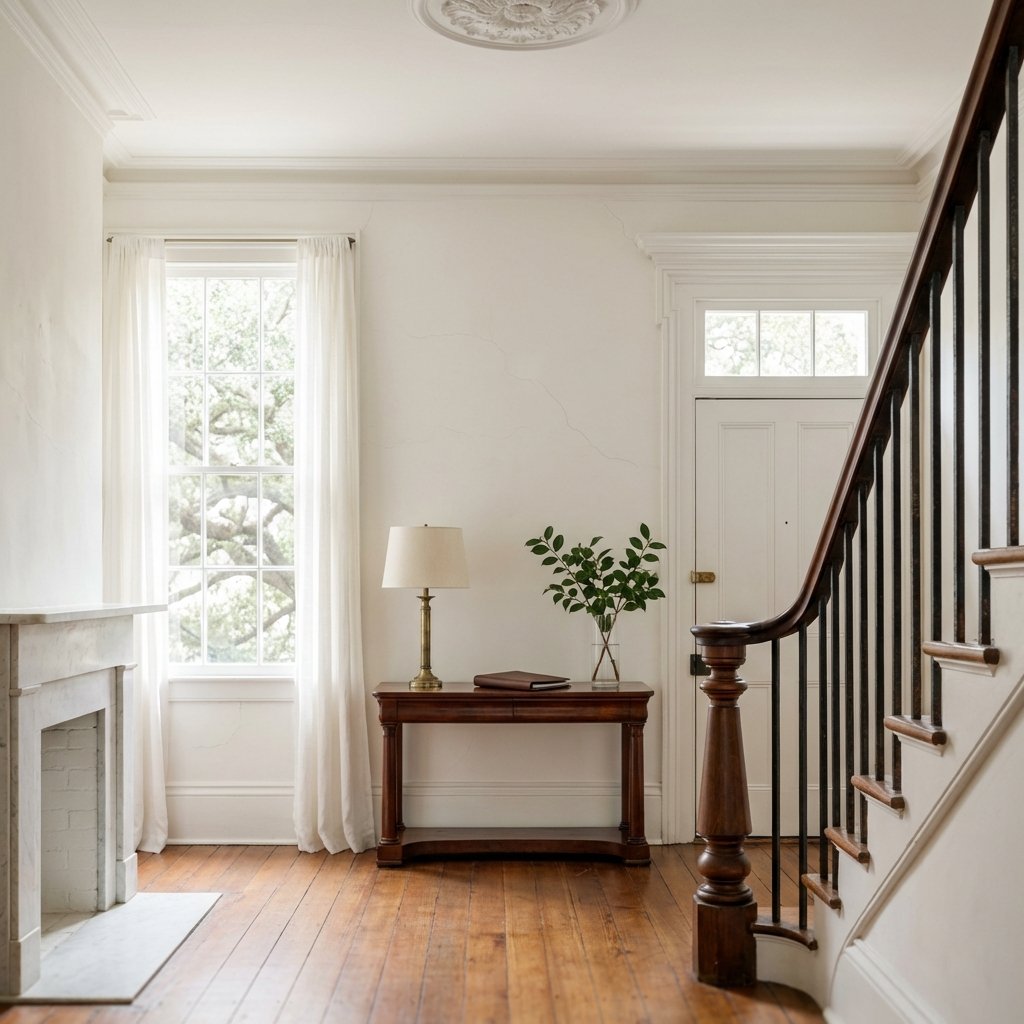
You are not just selling a house. You are stewarding a piece of Charleston’s story to its next chapter. Pricing and positioning a historic single house or townhome on the peninsula calls for a different playbook than a newer home across the river. In this guide, you will learn how top sellers approach valuation, documentation, regulation, and marketing to secure strong offers with fewer surprises. Let’s dive in.
Know your buyer pool
Peninsula buyers start their search online and expect rich visuals and clear information. According to the National Association of Realtors, buyers place high importance on listing photos, floorplans, and detailed property data, which means your presentation needs to be precise and complete from day one. You can review these insights in the NAR snapshot of today’s homebuyers.
For premium historic homes, the buyer pool often includes preservation‑minded locals, second‑home buyers from high‑net‑worth markets, and sometimes international prospects reached through luxury networks. Decision timelines can be longer and due diligence is deeper, especially when a property is one of a kind. Plan for a thoughtful launch and a measured, high‑touch showing strategy.
Price with historic valuation methods
The sales‑comparison approach still leads for pricing most historic houses. A strong pre‑listing broker CMA anchored in neighborhood‑level comps is your first step. When comps are thin or the property has income potential, appraisers may also consider income and cost approaches. Historic restrictions, easements, and review boards are typically noted because they affect marketability and options.
Condition matters more than you might expect. Appraisers separate land value from the contributory value of improvements. For historic structures, reproduction cost can be much higher than replacement cost. Insurers and appraisers treat these differently, so accurate documentation of materials, methods, and costs supports value. To understand the distinction, review this explainer on replacement versus reproduction cost.
Provenance can influence price. Notable architects, documented restorations, or a well‑researched ownership history can attract premium attention, but the impact is case specific. Your best strategy is to present facts with sources and pair them with recent, relevant comparables.
Designation can support stability. Preservation‑economics research often finds that local historic district status correlates with more stable values and can, in some markets, produce premiums compared to non‑designated areas. That context helps buyers feel confident without replacing the need for local comps. You can explore a summary of preservation’s typical market effects from national planning resources.
Assemble a rigorous buyer packet
Buyers of historic homes expect clarity. A thorough packet reduces questions and speeds decisions. Assemble the following before you list:
- Chain of title, recorded deeds, and any previous sale notices.
- Historic surveys or inventory entries, Sanborn maps, and historic aerials.
- Restoration invoices, contractor scope, and permits, including any Board of Architectural Review approvals.
- Measured floorplans and, if applicable, elevation certificates for flood zones.
- Copies of any recorded preservation easements and related correspondence.
- Insurance history and maintenance records.
The City’s BAR University handout provides practical links and research tools for gathering these materials. Use it as your roadmap, and be ready to share documents digitally with qualified buyers.
Handle STR, BAR, and easements early
Short‑term rentals. Charleston uses a tiered permit system for STRs, with special limitations on the peninsula and in the Old & Historic District. Whether a property holds a valid STR permit, and whether that permit can transfer, can materially influence value for investor or second‑home buyers. Review the City’s STR categories and confirm your property’s status in writing before pricing.
Board of Architectural Review. On the peninsula, the City’s Board of Architectural Review oversees exterior changes visible from the public right of way and reviews demolition for older buildings. This oversight helps protect neighborhood character, which many buyers see as a benefit, but it can limit certain alterations. Be clear about both the predictability and the constraints during pricing and marketing.
Preservation easements. Many Charleston properties carry recorded exterior or interior easements held by local organizations. Easements protect historic features in perpetuity and may include tax implications and stewardship obligations that affect price and marketability. Disclose any easement, provide the recorded language, and explain responsibilities to buyers.
Prepare for flood and insurance
Flood risk is a practical and financing consideration for many peninsula addresses. Update or obtain an elevation certificate, disclose your FEMA zone, and outline your insurance history and current coverage availability. Charleston County’s floodplain and elevation resources are helpful references to include in your packet. This information builds buyer confidence and prevents late‑stage surprises with lenders or insurers.
Present visuals that sell character
Invest in professional architectural photography that shows scale, light, and detail. Capture piazzas, stairwells, mantels, and period joinery with true‑to‑life color. Include measured floorplans and, where appropriate, a 3D tour to give out‑of‑area buyers a clear sense of flow. NAR’s buyer research confirms that photos and floorplans rank among the most important elements of a listing, so treat them as core assets rather than extras.
If you plan aerials, use only FAA Part 107‑certified pilots and confirm registration and Remote ID compliance before flying. Review the FAA’s commercial operator guidance and check City rules if you intend to film on public property.
Tell the story with facts
Buyers of historic homes expect rigor. Replace vague superlatives with specifics. For example: “Built c. 1820; restored in 2018 following Secretary of the Interior standards; restoration invoices available on request.” Cite your sources within the packet and be consistent between the MLS, marketing copy, and show sheets. This evidence‑first approach supports price, reduces objections, and signals stewardship to preservation‑minded buyers.
Translate constraints into benefits when appropriate. BAR oversight can read as neighborhood durability and predictability. STR eligibility, if present and clearly described, can expand your buyer pool. Easements can signal that important character is protected for the long term. Clear language helps buyers understand the value they are getting.
Place the listing where buyers look
Start with MLS distribution and elevate from there. Premium peninsula properties benefit from editorial‑grade listing narratives, a dedicated property microsite, and curated press that reaches preservation‑oriented audiences. Invite top brokers to private previews and consider collaboration with preservation groups and architectural historians who can amplify your story to qualified, mission‑aligned buyers.
Global reach matters for the peninsula’s luxury segment. A brokerage with established luxury networks can syndicate your listing to high‑net‑worth audiences and deliver magazine‑style placement that matches your home’s stature. Pair that reach with discreet buyer outreach and by‑appointment showings to keep traffic purposeful.
A 6–18 month seller checklist
Use this simple timeline to get ahead of the market and minimize renegotiations.
6–12 months out
- Order a pre‑listing inspection and address structural, roof, mechanical, and water‑intrusion items first. These are the most value‑protecting repairs on older homes.
- Build your provenance packet: deeds, surveys, Sanborn maps, BAR permit history, restoration invoices, and floorplans. The City’s research handout is a helpful guide.
- If your property has or could have income use, speak with a CPA about the federal Historic Rehabilitation Tax Credit and any state incentives. Projects must meet federal standards to qualify.
3–6 months out
- Schedule professional architectural photography, measured floorplans, and a 3D tour. If aerials are planned, book a Part 107‑certified drone pilot and confirm compliance.
- Consult BAR staff before any visible curb‑appeal work like porch repairs or exterior paint so you can time approvals and photography.
- Update your elevation certificate if needed and assemble clear flood and insurance documentation.
Listing and launch
- Lead with editorial storytelling and rich media. Make your buyer packet easily accessible to qualified prospects at showings and via secure digital links.
- Host an invitational broker tour and targeted previews for preservation‑minded groups to reach buyers who value provenance.
Contract to close
- Confirm title, easements, STR permit transferability, flood documentation, and any BAR‑conditioned items early. If tax‑credit work or easement assignments apply, coordinate the paperwork before the closing table.
What this means for your sale
The best outcomes on the peninsula come from preparation, precision, and access to the right buyers. When you price with a clear valuation narrative, present a complete provenance packet, and market with editorial quality, you reduce friction and increase your odds of a clean, top‑tier result. If you prefer a discreet process, a quiet or off‑market strategy can still leverage luxury networks and targeted outreach without broad public exposure.
If you would like a confidential review of timing, pricing, and positioning for your home, connect with Middleton Rutledge for a strategic plan tailored to your property and goals.
FAQs
How is pricing a historic Charleston home different?
- You rely more on neighborhood‑level comps and a detailed valuation narrative that accounts for condition, restrictions, and provenance. Unique features and documented restorations matter, but their premium is case specific.
Do preservation rules limit renovations on the peninsula?
- The City’s Board of Architectural Review oversees exterior changes visible from the street and reviews demolition for older buildings. This protects character and can limit certain alterations, so plan timelines and pricing around these realities.
Will an STR permit increase my home’s value?
- It can for certain buyer segments, but it depends on your property’s category, eligibility, and whether the permit can transfer. Verify STR status with the City before marketing and disclose details clearly to buyers.
What documents should I gather before listing?
- Deeds and title chain, historic surveys and Sanborn maps, BAR permit history, restoration invoices, floorplans, elevation certificates, any recorded easements, and insurance and maintenance records. A well‑organized packet supports price and speeds due diligence.
How long do historic peninsula homes take to sell?
- Unique, high‑value homes often have longer discovery and due‑diligence periods because buyers are more selective and the properties are complex. Strong media, complete documentation, and targeted outreach can shorten timelines.
Do historic tax credits apply to owner‑occupied homes?
- The federal Historic Rehabilitation Tax Credit applies to certified, income‑producing projects that meet specific standards. South Carolina offers additional incentives for qualifying work. Consult your CPA before assuming eligibility.