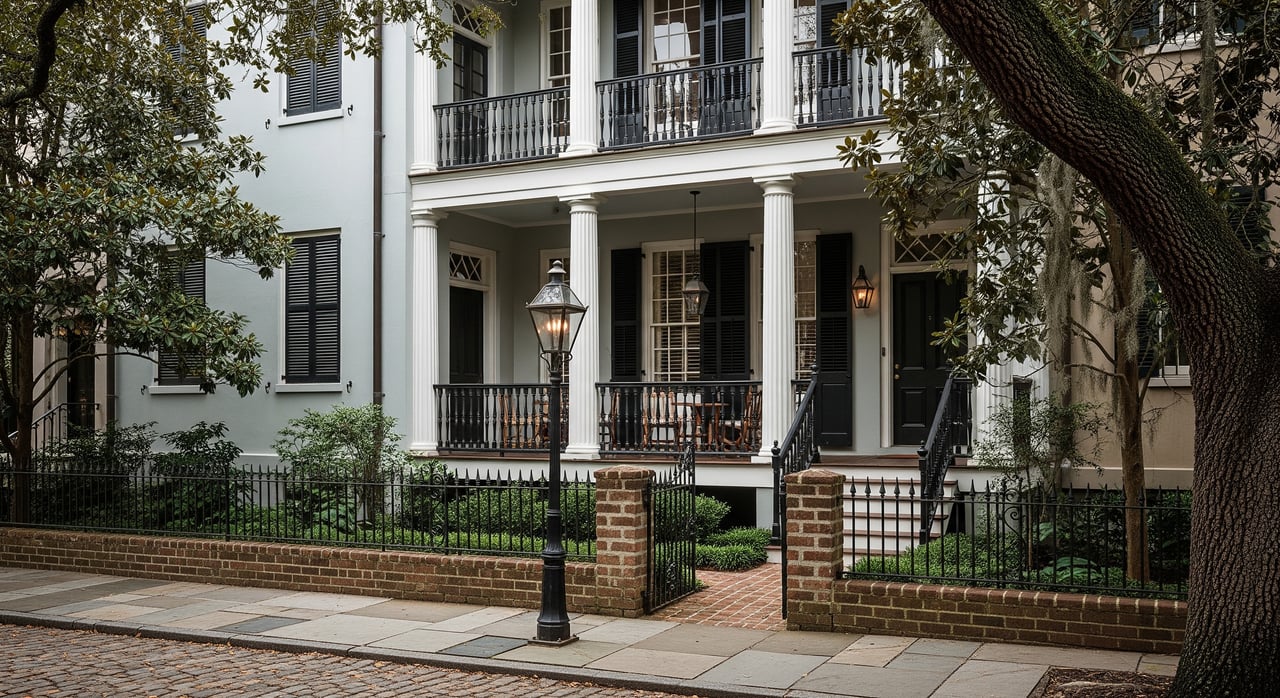
Imagine waking to church bells, soft light on pastel facades, and the smell of pluff mud drifting in on a waterfront breeze. If you are weighing a move to Charleston’s historic peninsula, you likely want that timeless charm to work for everyday life. Here, you will find a walkable small-city rhythm, layered history, and modern conveniences, along with practical factors like parking, permits, and flood planning. This guide shows you what daily life feels like, where different streets shine, and what to know before you buy. Let’s dive in.
The feel of the peninsula
Charleston’s historic core sits between the Ashley and Cooper rivers. It is compact, human-scaled, and easy to navigate on foot, by bike, or with short drives. Residential blocks feel intimate and tree-lined, while busy corridors energize the center with shops and dining.
The lifestyle is urban at a smaller scale. Mornings and evenings in residential pockets are calm, while afternoons and weekends bring buzz to retail streets. Tourism and events create seasonal pulses, so you will notice busier sidewalks during festivals and wedding season.
The climate is humid subtropical. Summers are hot and humid, winters are mild, and hurricane season runs June through November. Heavy rain and high tides can cause street flooding in low-lying areas, so you plan ahead and learn your block-by-block patterns.
Architecture you live with
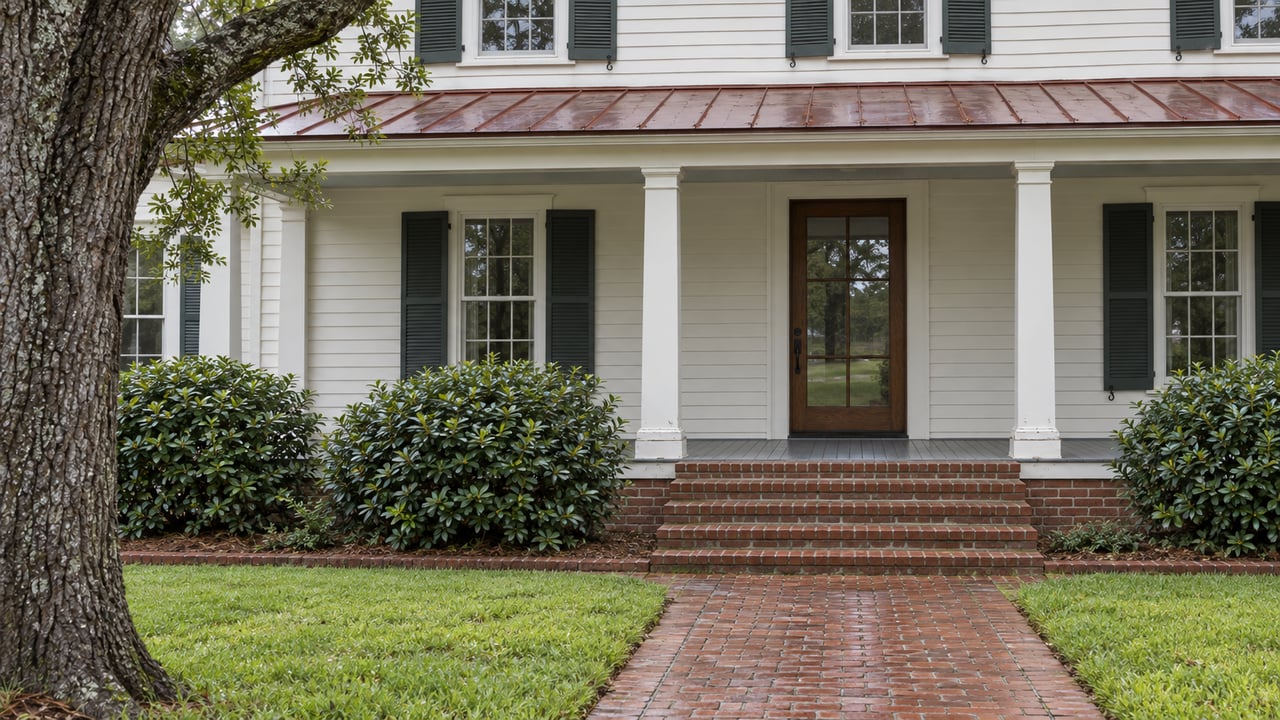
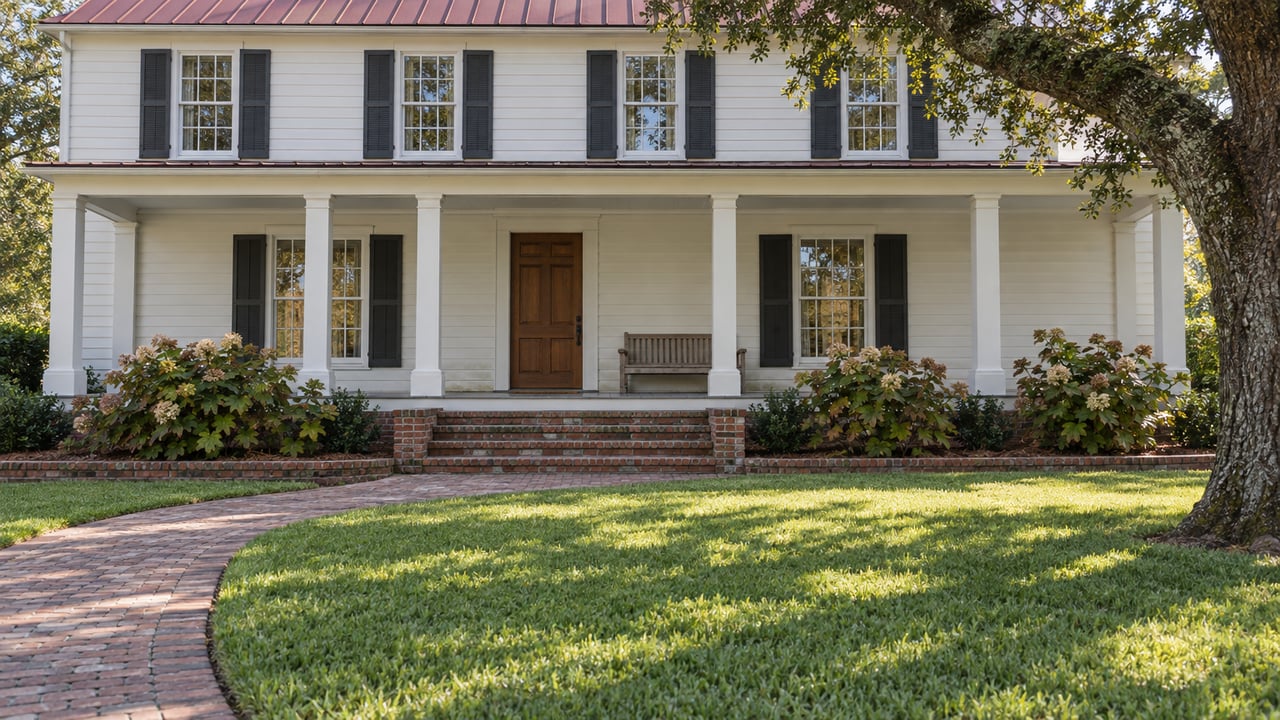
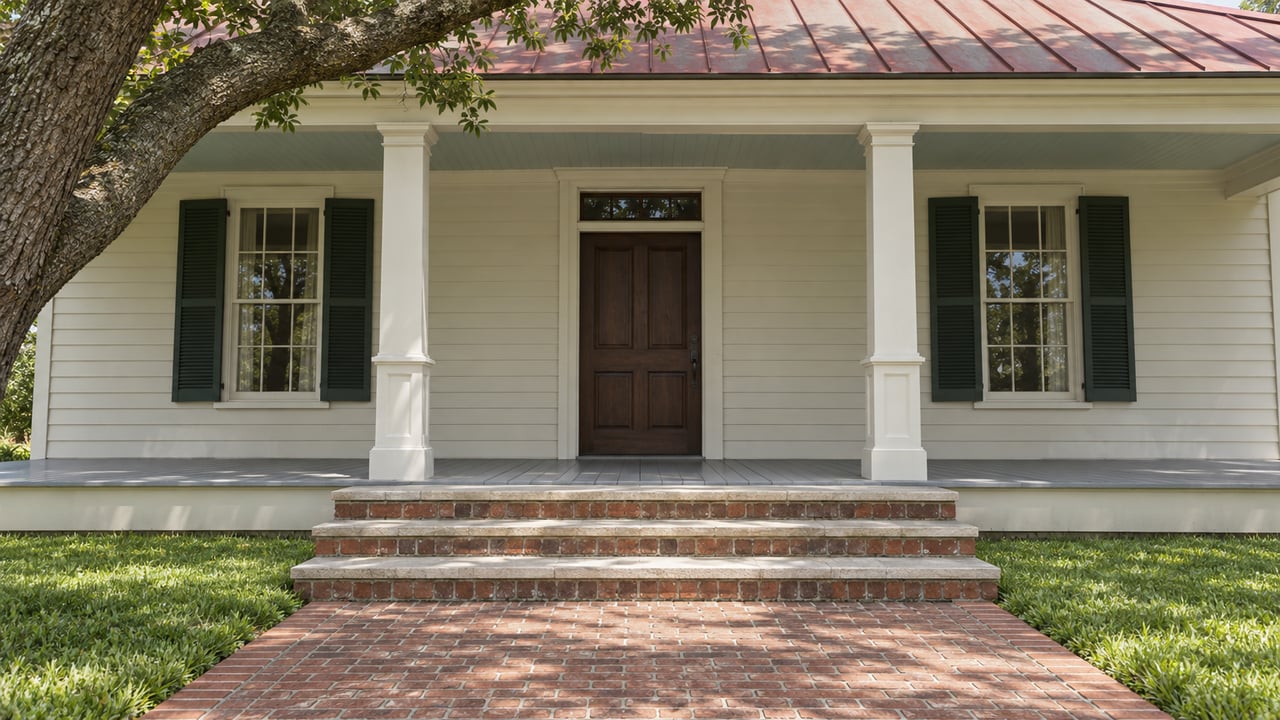
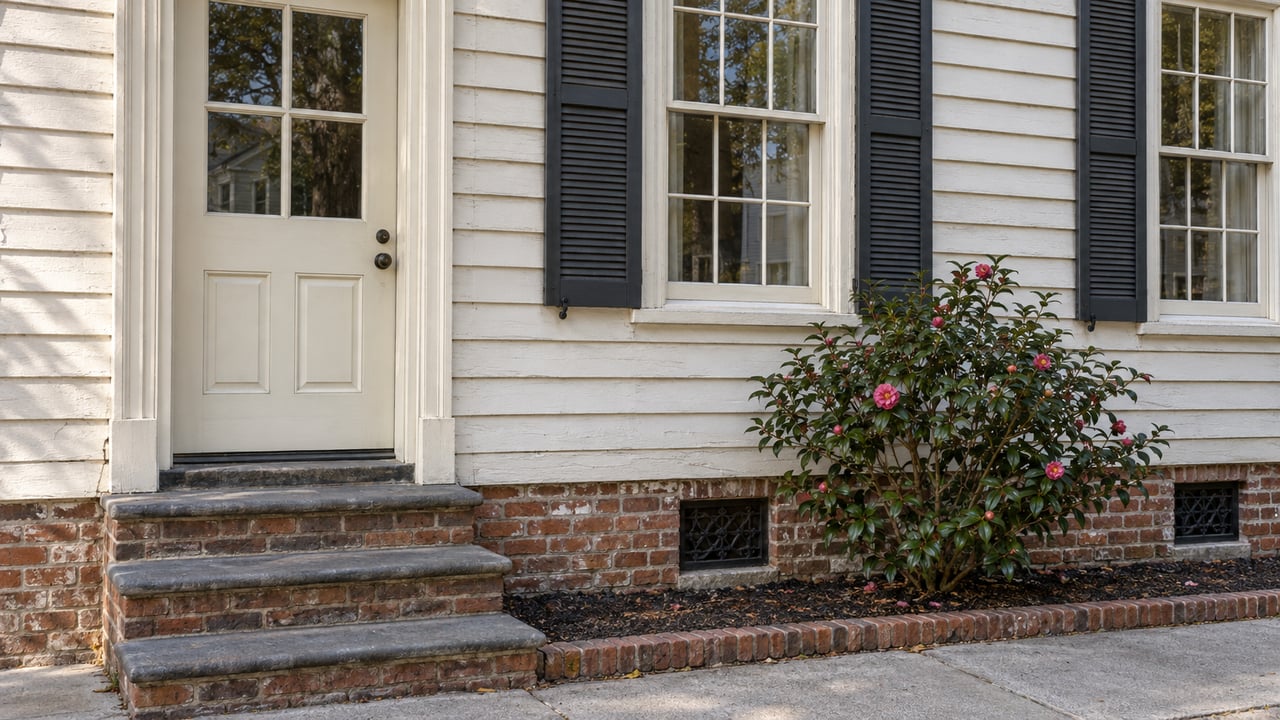
Charleston’s historic fabric is part of your daily experience. You see Georgian, Federal, Greek Revival, Italianate, and Victorian styles, plus the distinctive local form known as the Charleston single house. Details like wrought iron, side piazzas, and raised foundations shape how you live, from airflow on porches to how you place furniture in long, narrow rooms.
The Charleston single house
A Charleston single house turns its short side to the street and opens along a side piazza. The layout favors cross-ventilation and privacy, with rooms arranged in a long, narrow sequence. Many are oriented to catch prevailing breezes, which you notice most in warm months.
Preservation rules and permits
Exterior work in the historic district typically requires review through the City’s Board of Architectural Review. Paint colors, windows, porches, and additions often need permits. These rules protect neighborhood character, and they also add time and planning to renovation schedules.
Renovation realities
Older systems and materials are common. You may encounter dated wiring, aging plumbing, historic brickwork, and lead-based paint. Specialized contractors and materials can increase costs and timelines. Many buyers budget for phased improvements that respect historic fabric.
Street-by-street character
King Street
King Street is the peninsula’s retail and dining spine. Lower King blends antiques and classic storefronts, while Upper King brings contemporary restaurants, bars, and boutiques. You will run errands, meet friends, and people-watch here often.
Meeting Street
Meeting Street weaves civic, religious, and cultural landmarks into the streetscape. It feels quieter than King in stretches, with a mix of offices and residences. Daily life here balances activity and calm.
Broad, the French Quarter, and the Battery
Broad Street leads toward the waterfront, where historic warehouses and scenic parks frame daily walks. The French Quarter and Waterfront areas draw visitors for Rainbow Row and harbor views. Expect peaceful sunrise strolls and busier foot traffic during events.
South of Broad
South of Broad is a residential enclave of grand houses and shaded streets. It feels quiet and refined, with limited commercial activity. You rely on nearby corridors for shopping and dining.
Ansonborough, Radcliffeborough, Harleston Village, Cannonborough/Elliotborough
These neighborhoods mix historic homes with small businesses and cafés. Blocks can vary, with recent renovations beside older structures. The feel is local and lived-in, with short walks to King Street.
The north end near Calhoun and Boundary
Calhoun and Boundary mark a shift toward more residential and institutional uses. You find schools, churches, and commercial corridors, along with connections to the rest of the city.
Getting around and daily errands
The peninsula is one of Charleston’s most walkable areas. Many daily needs, restaurants, and entertainment options are within a short walk or bike ride. The downtown shuttle and local bus services make short trips easier without a car.
Driving is different than in the suburbs. Streets are narrow, many are one-way, and parking is a mix of metered spaces and residential permits. Some historic homes lack off-street parking, so you plan for permits or a dedicated spot.
Charleston International Airport is a short drive away. Commutes to Mount Pleasant, West Ashley, or North Charleston usually involve bridge routes and typical rush-hour congestion.
Food, arts, and green space
Charleston’s dining scene is nationally recognized, with a strong Lowcountry identity. You will find seafood, shrimp and grits, and seasonal menus across a wide range of restaurants. Neighborhood cafés and specialty markets fill in daily needs.
Culture is constant. Galleries, theaters, and music venues fill the calendar, and major festivals like Spoleto Festival USA bring energy and visitors. Farmer’s markets and pop-up events add a local rhythm to weekends.
Parks are part of daily life. Waterfront Park and White Point Garden offer quiet moments and community gatherings. Beaches on nearby barrier islands are a short drive, which makes a beach day easy.
Schools and family logistics
Public schools on the peninsula are limited due to compact geography, and assignments vary by address. Many families explore private schools or consider off-peninsula options depending on grade level and preferences. Confirm zoning and transportation early in your search.
Space and logistics matter. Private yards can be smaller, storage is different, and parking can be tight. Families often plan for stroller-friendly routes, bike storage, and school commute timing.
What to expect as a buyer
Historic Charleston commands a premium for walkability, architectural character, and proximity to amenities. You will see options ranging from small rowhouses and condos to large historic residences, each with different carrying costs and maintenance needs.
Flood risk varies by block. Tidal flooding, heavy rain, and storm surge are realities in some areas. You will want elevation information and to understand insurance requirements early.
Most exterior changes require permits, and even interior projects can be more complex in historic structures. The right contractors make a difference. Plan ahead, price materials, and build in time for review processes.
Buyer checklist
- Define priorities: walkability, architectural features, yard size, parking, or renovation potential.
- Review recent comparable sales and carry costs, including insurance and taxes.
- Verify flood zones, obtain elevation details, and seek insurance guidance early.
- Assess parking solutions, including on-street permits or deeded spaces.
- For condos or townhomes, confirm association rules, reserves, and monthly fees.
- Scope inspections with pros experienced in historic systems and materials.
- Map daily life: grocery runs, school routes, and transit options.
How it compares nearby
- Mount Pleasant: more suburban feel, newer developments, larger garages and yards, and a commute over the Ravenel Bridge into downtown.
- West Ashley: residential and generally lower cost per square foot, with quick access to major roadways.
- James Island: island-suburban mix with beach proximity and a range of family-focused neighborhoods.
- North Charleston: larger commercial and industrial areas with varied neighborhoods and often more affordable options.
If you value walkability, layered history, and a lively cultural calendar, the peninsula delivers. If you want larger lots, newer construction, and broader parking options, the nearby suburbs may fit better.
Is historic Charleston right for you
Living on the peninsula blends romance and real-world logistics. You trade a suburban driveway for cobblestone charm, piazzas, and a short walk to dinner. With the right guidance on flood, permits, and maintenance, your daily rhythm can feel both effortless and inspiring.
If you are considering a purchase, you benefit from street-level insight and a plan that respects the architecture and your lifestyle. For curated property searches, preservation-smart advice, and discreet access to off-market opportunities, connect with Middleton Rutledge.
FAQs
Is a car necessary on the peninsula
- Many residents walk for daily needs and use rideshare or a car for grocery runs, beach trips, and off-peninsula commutes.
How busy does it get during peak season
- Retail corridors and waterfront areas see higher foot traffic during festivals and tourist surges, while residential pockets remain noticeably quieter.
What should I budget for a historic home
- Expect higher maintenance for roofing, foundations, termite prevention, and specialty materials; plan for thorough inspections and ongoing care.
How do I handle flood risk and insurance
- Flood exposure varies block by block; obtain elevation details, review maps, and request insurance quotes early in the process.
Can I renovate the exterior of a historic home
- Exterior-visible changes usually require Board of Architectural Review approval and permits, which adds time and design coordination.
What about schools if I live downtown
- The peninsula has a limited number of public campuses; many families consider private or off-peninsula options and confirm zoning before purchasing.