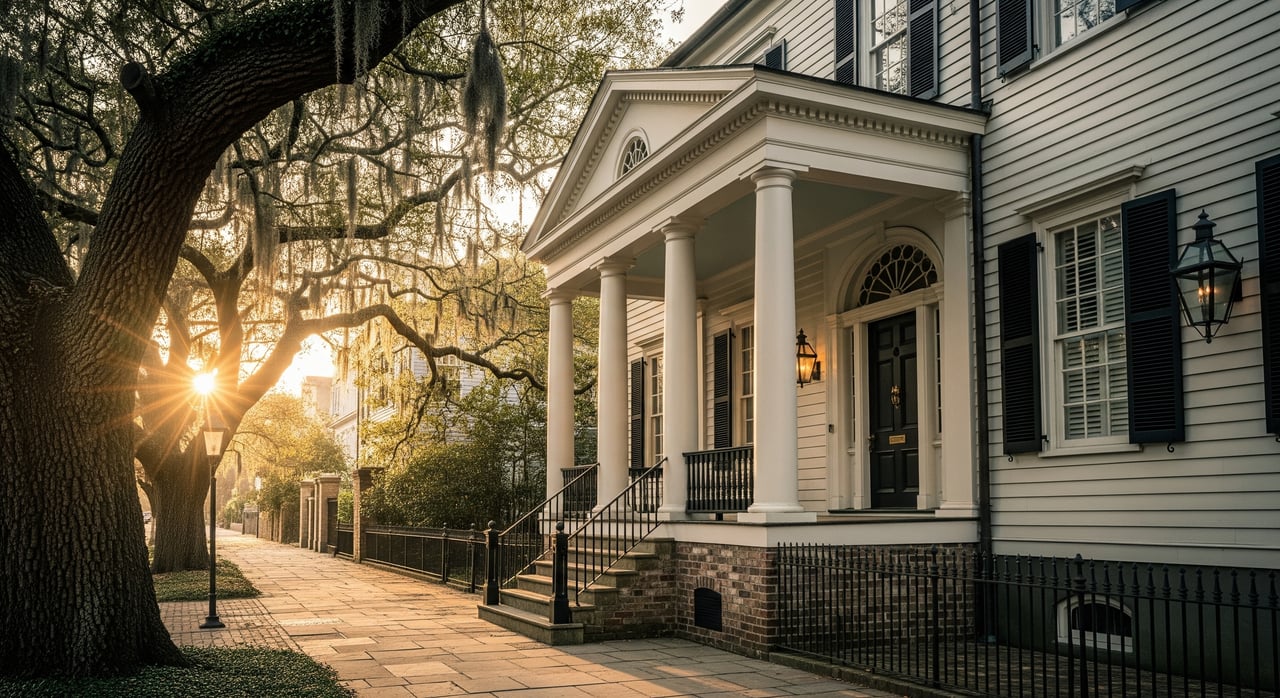
Owning a piece of Charleston history is a rare opportunity, but it comes with rules, timelines, and unique building needs. If you love original brick, piazzas, and slate roofs, you also need a plan for BAR approvals, specialized inspections, and insurance. In this guide, you’ll learn how to navigate the process with confidence so you can buy wisely and protect what makes your home special. Let’s dive in.
Historic district basics
Buying on the Charleston peninsula often means your property sits within the Old and Historic District. Exterior changes in this area are reviewed by the City’s Board of Architectural Review, known as the BAR. The goal is to keep alterations compatible with the historic character. Interior work is usually outside BAR jurisdiction unless it affects the exterior or a designated landmark’s structure.
The BAR typically reviews windows and doors, porches and stairs, roof materials and pitch, shutters and balconies, siding and masonry treatment, and most exterior additions or demolitions. In some areas, it can also include fences, rooftop equipment, paint colors, and signage.
How BAR approvals work
Before you can pull building permits for exterior work, you usually need a Certificate of Appropriateness from the BAR. Most projects go through a conceptual review followed by a final review. Your application should include drawings, photographs, and material samples. Preservation architects or experienced contractors can help prepare strong submittals.
Plan for realistic timelines. Conceptual review often takes 2 to 6 weeks depending on the schedule and scope. Final review can add another 2 to 8 weeks. After BAR approval, building permits may take 4 to 12 weeks, longer for complex structural or floodplain work. Expect 2 to 6 months from first BAR application to full permits for exterior changes. Starting work without approvals can trigger stop-work orders and fines.
Easements and recorded restrictions
Some historic properties have recorded preservation easements held by organizations such as the Historic Charleston Foundation. Easements run with the land and can require the holder’s consent for exterior changes in addition to BAR approval. They may also include monitoring obligations. Always review title documents early so you understand any added requirements.
Smart timeline for buyers
A thoughtful timeline can save you time, money, and stress.
Pre-offer due diligence
- Ask for any recorded easements or covenants.
- Request past BAR approvals, permits, and historic documentation.
- Preview insurance and flood considerations if the property is in a flood-prone area.
Offer and contingencies
- Standard inspection windows are often 7 to 14 days. For historic homes, plan additional time for specialists.
- Include contingencies for specialized inspections and for review of easements, BAR records, and permits.
Post-contract planning
- If you intend to renovate, start conceptual BAR planning as early as possible, even before closing if timing matters.
- Line up preservation-minded contractors to scope work and costs.
Inspections that matter
Historic homes deserve a deeper look. In addition to a standard home inspection, consider the following:
- Termite and wood-destroying organism inspection, given Charleston’s coastal climate.
- Moisture and mold assessment, including water intrusion at box gutters, porch flashings, and masonry.
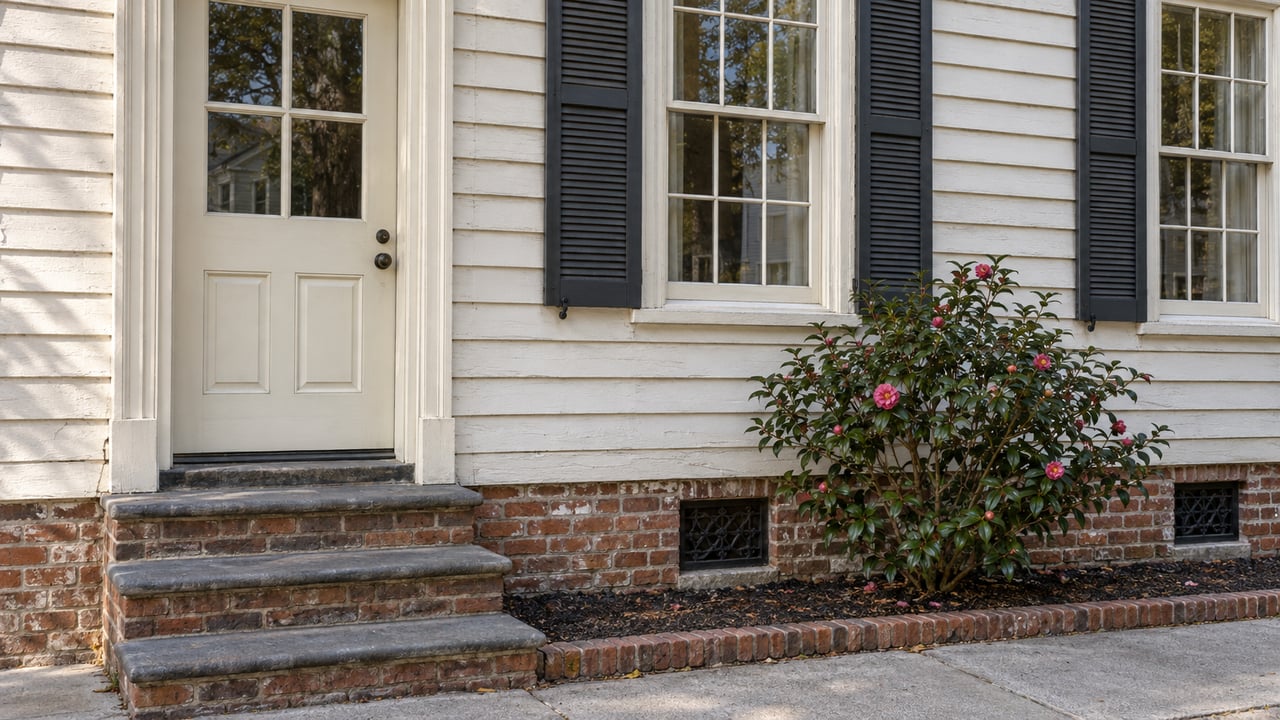
- Masonry and mortar analysis to confirm lime-based mortar and identify incompatible Portland cement pointing that can harm historic brick.
- Lead-based paint testing where disturbance is planned and asbestos screening for older materials.
- Chimney and flue inspection, plus review of older mechanical systems and electrical capacity.
- Foundation and pier evaluation for deteriorated brick or masonry and proper bracing.
- Flood and subsidence risk review, including any elevation certificate and known flood history.
Typical condition issues
- Brick and stucco with deteriorated or mismatched mortar, salt efflorescence, and hidden rot.
- Wood elements such as porch posts, joists, and window sills with moisture or termite damage.
- Historic box gutters with water trapping or failed flashing; specialty roofing like slate or standing-seam metal needing expert repair.
- Windows and doors that are repairable but were replaced in the past with incompatible units.
- Outdated knob-and-tube wiring, undersized panels, and galvanized or cast-iron plumbing needing upgrades.
Who to hire
Work with contractors and consultants who understand preservation: historic masons familiar with lime mortar, sash and window repair specialists, slate and metal roofing experts, preservation-minded carpenters, accredited lead and asbestos inspectors, and structural engineers with historic experience. For larger projects or BAR submittals, a preservation architect is an asset.
Financing, appraisal, and insurance
Lenders and appraisers may flag health and safety issues such as knob-and-tube wiring, structural concerns, or inadequate egress. Some items must be addressed before final loan approval.
Renovation loan options can help if you plan improvements. Examples include FHA 203(k), Fannie Mae HomeStyle, and Freddie Mac CHOICERenovation. Local portfolio lenders familiar with historic properties may be helpful for complex scopes. Appraisals for historic homes often require comparable sales with similar features, and specialty finishes may not fully appraise if they are not common in comps.
Insurance is critical on the peninsula. Flood exposure and wind risk affect availability and premiums, and federally backed mortgages may require flood coverage in certain zones. Ask for insurance quotes early. If your home has specialty materials like slate roofing or custom millwork, make sure replacement cost coverage reflects realistic pricing and contractor availability.
Title and tax considerations
A thorough title search should identify preservation easements, conservation restrictions, party-wall agreements, and other encumbrances. Because easements remain with the property, factor in the holder’s approval process and monitoring.
Historic rehabilitation tax credits exist at the federal and state levels, but they typically apply to certified historic structures used for income-producing purposes with qualified rehabilitation. If you plan a project with rental or commercial components, consult the South Carolina State Historic Preservation Office and your tax advisor early.
Out-of-state buyer tips
If you are purchasing from afar, assemble a local team. Choose an agent experienced with historic properties and the BAR process. Hire trusted inspectors who provide clear digital reports, photos, and video of hard-to-reach areas like attics and box gutters. If timing is tight, delay non-essential exterior changes until after local approvals are complete.
Buyer checklist
- Verify recorded easements and request prior BAR approvals and permit history.
- Order a standard home inspection plus specialty tests for mortar, lead, asbestos, and termites.
- Assess flood exposure and obtain insurance quotes before finalizing your contract.
- Engage preservation-focused contractors or a preservation architect early if exterior work is planned.
- Begin BAR concept review promptly for post-closing renovations and budget several months for approvals and permits.
Common pitfalls to avoid
- Starting exterior work before you have BAR approvals and permits.
- Using incompatible cement mortars on historic brick.
- Overlooking box gutter repair and porch flashing issues that lead to water damage.
- Underestimating the time for BAR, permits, and contractor scheduling.
- Waiting until late in the process to get flood and wind insurance quotes.
Why local expertise matters
Buying a historic Charleston home means balancing preservation with modern living. You need a guide who understands the BAR, knows preservation-minded contractors, and can benchmark renovation scope against realistic timelines and insurance requirements. With the right plan, you can protect the home’s character while creating a comfortable, lasting residence.
Ready to take the next step on the Charleston peninsula or along the islands? Connect with a local advisor who pairs street-level knowledge with discreet, concierge service. Reach out to Middleton Rutledge to map your purchase strategy and move forward with confidence.
FAQs
What is the BAR and how does it affect my renovation?
- The City’s Board of Architectural Review oversees exterior changes in the historic district; you typically need a Certificate of Appropriateness before permits and work can proceed.
How long do BAR and permits take in Charleston?
- Concept reviews often take 2 to 6 weeks, final approval adds 2 to 8 weeks, and permits may take 4 to 12 weeks; plan for 2 to 6 months total before major exterior work.
Which inspections are essential for a historic home purchase?
- In addition to a standard inspection, add termite, moisture and mold, mortar analysis, lead and asbestos testing, chimney evaluation, and flood risk review.
What are preservation easements and why do they matter?
- Easements are recorded restrictions that protect historic features and require the holder’s consent for many exterior changes, even after BAR approval.
Are there renovation loans for historic homes?
- Options may include FHA 203(k), Fannie Mae HomeStyle, and Freddie Mac CHOICERenovation, plus local portfolio lenders familiar with historic properties.
How should I approach insurance on the peninsula?
- Get flood and wind quotes early, confirm coverage for specialty materials, and understand that zone designations and property condition influence availability and cost.